Main

The Thrilling Chemistry of Engine Combustion

Welcome fellow professionals in the automotive industry! Today, we are diving into the exciting world of engine combustion. As experts in the field, we understand the importance of this process in powering vehicles and ensuring optimal performance. But let’s take a closer look at how engine combustion actually works and why it is so essential in the world of automobiles.

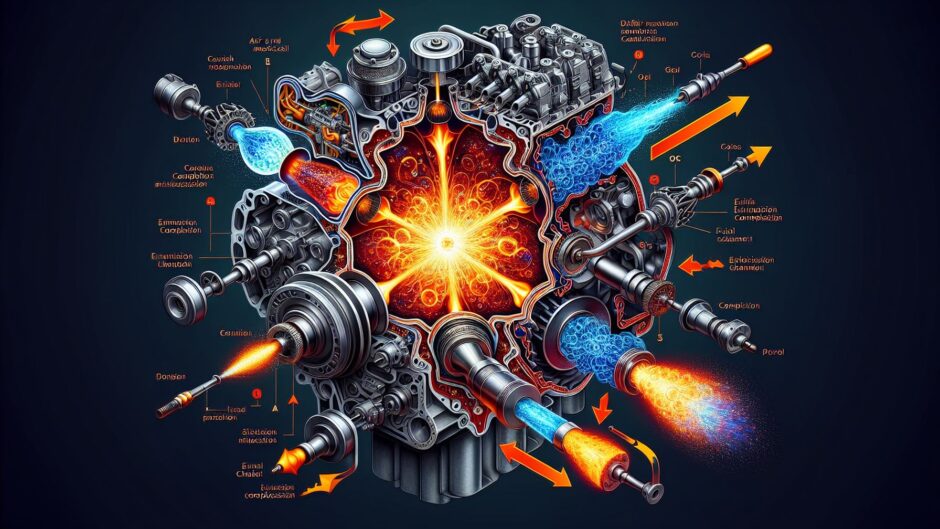
At the heart of every engine is the combustion chamber, where the magic happens. When fuel is mixed with air and ignited, a controlled explosion occurs, converting chemical energy into mechanical energy. This process generates the power needed to drive the vehicle forward, and it all starts with the spark plug.

The spark plug plays a crucial role in initiating the combustion process. As the fuel-air mixture is compressed in the combustion chamber, the spark plug creates a spark that ignites the mixture, resulting in the explosion that drives the piston down. This rapid movement of the piston generates the rotational motion needed to power the vehicle.

But what exactly is happening during this explosion? The combustion of fuel and air is a highly complex chemical reaction that involves the breaking and forming of molecular bonds. When the spark ignites the fuel-air mixture, carbon and hydrogen atoms combine with oxygen atoms to produce carbon dioxide and water vapor, releasing a large amount of heat in the process. This rapid expansion of hot gases pushes the piston down, creating the mechanical energy that drives the vehicle.

As professionals in the industry, it is crucial for us to understand the intricacies of engine combustion in order to optimize performance and efficiency. By carefully tuning the air-fuel mixture, ignition timing, and compression ratio, we can ensure that the combustion process is smooth and efficient, resulting in maximum power output and minimal emissions.

Car manufacturers are constantly striving to improve engine combustion through innovative technologies and design enhancements. From direct fuel injection to turbocharging, these advancements aim to increase the efficiency and power output of engines while reducing emissions. By staying up-to-date on the latest developments in engine technology, we can continue to push the boundaries of performance and sustainability in the automotive industry.

Regular maintenance and servicing are also essential in ensuring optimal engine combustion. Dirty air filters, worn spark plugs, and clogged fuel injectors can all hinder the combustion process and lead to poor performance and reduced fuel efficiency. By following the manufacturer’s recommended maintenance schedule and using high-quality fuels and lubricants, we can keep engines running smoothly and efficiently.

In conclusion, engine combustion is the heart and soul of any vehicle, driving performance and powering us forward. As professionals in the automotive industry, it is our responsibility to understand and optimize this crucial process to ensure that vehicles perform at their best. By staying informed on the latest technologies and advancements in engine combustion, we can continue to push the boundaries of performance and efficiency in the world of automobiles. So let’s rev up our engines and embrace the thrilling chemistry of combustion!
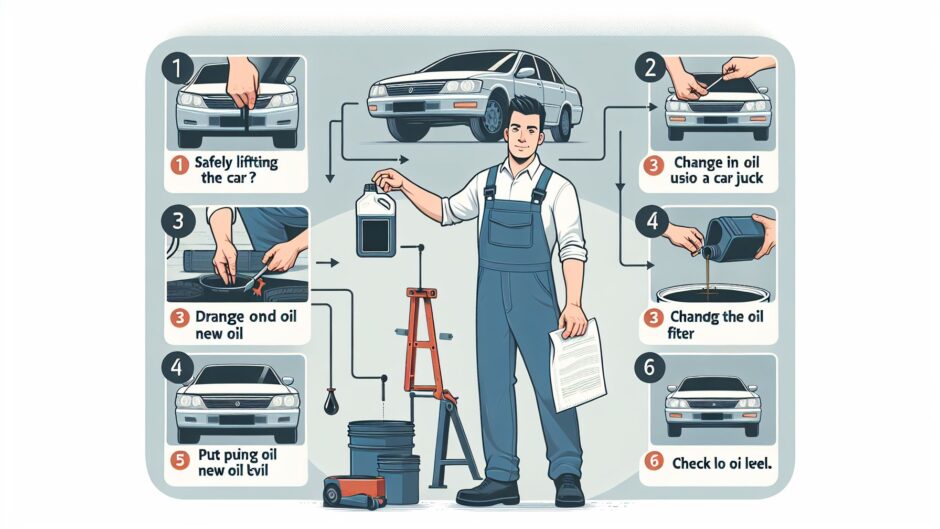
Changing Oil: A Step-by-Step Guide for Car Enthusiasts

Whether you’re a seasoned car enthusiast or just starting to get your hands dirty under the hood, changing the oil in your vehicle is a crucial skill every car owner should have. Regular oil changes are essential for keeping your engine running smoothly and efficiently. In this step-by-step guide, we will walk you through the process of changing the oil in your car like a pro.

Step 1: Gather Your Tools and Materials

Before you begin, make sure you have all the necessary tools and materials on hand. You will need:

  • A jack and jack stands
  • An oil filter wrench
  • A socket wrench set
  • A new oil filter
  • A funnel
  • Oil drain pan
  • New engine oil

Step 2: Prepare Your Vehicle

Start by parking your car on a flat surface and engaging the parking brake. Let the engine run for a few minutes to warm up the oil, making it easier to drain. Turn off the engine and wait for it to cool down before proceeding.

Step 3: Locate the Oil Drain Plug

Crawl under the car and locate the oil drain plug. Place the oil drain pan underneath and use the socket wrench set to loosen the plug. Be careful as the oil may be hot. Allow the oil to drain completely into the pan.

Step 4: Replace the Oil Filter

Once the oil has drained, locate the oil filter – it is usually located near the oil pan. Use the oil filter wrench to remove the old filter. Before installing the new filter, lubricate the gasket with some fresh engine oil. Hand-tighten the new filter in place.

Step 5: Refill with Fresh Oil

Return the oil drain plug to its original position and tighten it with the socket wrench. Use the funnel to pour the new engine oil into the oil filler cap. Check your vehicle’s owner’s manual for the correct oil type and quantity.

Step 6: Check the Oil Level

Once you have filled the engine with oil, start the car and let it run for a few minutes. Turn off the engine and allow the oil to settle before checking the oil level using the dipstick. Add more oil if necessary.

Step 7: Dispose of the Old Oil

Do not forget to dispose of the old oil properly. Many auto parts stores and recycling centers have oil recycling programs where you can drop off your used oil for recycling.

Conclusion

Changing the oil in your car may seem like a daunting task, but with the right tools and a little know-how, it can be a simple and rewarding experience for car enthusiasts. By following these steps, you can ensure that your engine remains in top condition and running smoothly for years to come. Remember to schedule regular oil changes to keep your vehicle in peak performance. So, grab your tools and get ready to take on this essential maintenance task for your beloved car.

The Importance of Regular Maintenance for Car Enthusiasts

As a car enthusiast, you understand the undeniable thrill of owning and driving a well-maintained vehicle. Your car is not just a means of transportation; it is an extension of your personality and passion. With that in mind, it is crucial to prioritize regular maintenance to ensure that your beloved vehicle remains in top shape for years to come.

One of the most essential aspects of maintaining your car is adhering to a consistent schedule of automotive repair and upkeep. By staying on top of routine maintenance tasks, such as oil changes, tire rotations, and brake inspections, you can prevent potential issues from escalating into costly repairs down the road. Neglecting these basic maintenance tasks can lead to decreased performance, decreased fuel efficiency, and even safety hazards on the road.

Regular visits to a trusted garage are a must for car enthusiasts who want to keep their vehicles running smoothly. An experienced mechanic can identify any potential problems early on and address them before they become major issues. Additionally, a professional automotive repair service can provide valuable insight and guidance on how to best care for your specific make and model of vehicle.

In addition to routine maintenance, car enthusiasts should also pay attention to the overall condition of their vehicle and address any signs of wear and tear promptly. Whether it’s a strange noise coming from the engine, a warning light on the dashboard, or a noticeable decline in performance, it’s important to take your car to a reputable garage for a thorough inspection. Ignoring these warning signs can result in more significant repairs and higher costs in the long run.

As a car enthusiast, you likely take great pride in the appearance of your vehicle. Regular maintenance not only ensures that your car runs smoothly but also helps to preserve its aesthetic appeal. By keeping your car clean, waxed, and free of dents and scratches, you can maintain its value and enhance its overall appeal. Investing in detailing services and paint touch-ups can help to keep your vehicle looking like new for years to come.

In conclusion, maintaining your car is essential for car enthusiasts who want to enjoy their vehicles to the fullest. By adhering to a regular schedule of automotive repair and garage visits, you can ensure that your car remains in top condition and performs at its best. Remember, taking care of your vehicle is not just about preserving its value; it’s also about ensuring your safety and the safety of others on the road. So, next time you take your car out for a spin, remember to show it the care and attention it deserves. Your vehicle will thank you for it in the long run.

Understanding Truck Transmissions for Backyard Mechanics

As a backyard mechanic, working on your truck can be a rewarding and fulfilling experience. Whether you are performing routine engine maintenance or making car modifications, understanding how your truck’s transmission works is essential.

Truck transmissions are a complex system that allows your vehicle to shift gears and transfer power from the engine to the wheels. In simple terms, the transmission is responsible for controlling the speed and power of your truck, ensuring that it operates smoothly and efficiently.

There are two main types of truck transmissions: manual and automatic. Manual transmissions require the driver to manually shift gears using a clutch pedal and gearshift, while automatic transmissions shift gears automatically without any input from the driver. Each type has its own set of components and operation, so let’s dive into how they work.

In a manual transmission, power from the engine is transferred to the transmission through the clutch. The clutch disengages the engine from the transmission, allowing the driver to shift gears smoothly. Inside the transmission, a series of gears and shafts control the speed and power of the truck. When the driver shifts gears, the transmission engages different gear ratios to match the speed of the truck with the engine’s RPM.

On the other hand, automatic transmissions use a hydraulic system to shift gears automatically. Inside the transmission, a fluid coupling called a torque converter transfers power from the engine to the transmission. The transmission then uses a series of planetary gearsets to shift gears without any input from the driver. This allows for a smoother and more comfortable driving experience, especially in stop-and-go traffic.

If you are looking to modify your truck for off-roading or towing, understanding how the transmission works is crucial. Upgrading to a heavy-duty transmission can improve towing capacity and off-road performance, allowing you to tackle tough terrain with ease.

When performing engine maintenance on your truck, it’s essential to check the transmission fluid level regularly. Low transmission fluid can lead to overheating and premature wear on the transmission components. If you notice any leaks or strange noises coming from the transmission, it’s best to consult a professional mechanic to diagnose and repair the issue.

In conclusion, understanding how truck transmissions work is essential for backyard mechanics looking to maintain or modify their vehicles. Whether you have a manual or automatic transmission, knowing the basics of how they operate can help you diagnose issues and make informed decisions about upgrades and maintenance. So next time you’re working on your truck, take a moment to appreciate the intricate system that allows you to drive smoothly down the road.

The Ultimate Joyride: A Look at Luxurious Car Collections for Men

Are you a man who loves the thrill of a finely-tuned engine? Do you appreciate the beauty and power of a sleek, stylish vehicle? If so, then you may be one of the many men who have a passion for collecting cars. Car collections are not just a hobby, they are a lifestyle – and for those who are truly passionate about automobiles, there is nothing quite like the rush of adding a new car to their collection.

For men who have an affinity for cars, building a car collection is like creating a masterpiece. Each car is a work of art, with its own unique design, history, and personality. From classic muscle cars to modern supercars, every vehicle in a car collection tells a story and represents a piece of automotive history.

But building a car collection is not just about acquiring cars – it’s also about the thrill of the hunt. Searching for that perfect addition to your collection can be an exciting and rewarding experience. Whether you’re scouring car auctions, browsing online listings, or networking with other car enthusiasts, the hunt for a new car can be filled with anticipation and excitement.

Once you’ve added a new car to your collection, the real fun begins. From customizing the interior with luxury automotive accessories to fine-tuning the engine with the help of mechanics, there are endless opportunities to make each car in your collection truly unique. Whether you’re a fan of classic cars that have been meticulously restored or modern exotic cars that push the boundaries of automotive design, there is no limit to the ways you can customize and improve your collection.

And let’s not forget the joy of hitting the road in one of your prized possessions. There is nothing quite like the feeling of cruising down the highway in a powerful sports car, with the wind in your hair and the roar of the engine in your ears. Whether you’re taking your collection out for a leisurely drive on a sunny day or revving up the engine at a track day event, the thrill of driving a car from your collection is an experience like no other.

Of course, building and maintaining a car collection is not without its challenges. From the financial investment required to purchase and maintain multiple vehicles to the time and effort needed to keep each car in top condition, collecting cars can be a demanding pursuit. But for men who are truly passionate about cars, the rewards far outweigh the challenges. The satisfaction of seeing your collection grow, the joy of sharing your passion with fellow enthusiasts, and the excitement of owning and driving some of the most iconic and desirable cars in the world make it all worth it.

In conclusion, for men who have a love for all things automotive, building a car collection is the ultimate dream. From the thrill of the hunt to the joy of customization and the excitement of hitting the road in a powerful sports car, collecting cars is a lifestyle that offers endless opportunities for excitement and fulfillment. So if you’re a man who appreciates the finer things in life and has a passion for cars, why not start building your own car collection today? The open road is waiting, and the possibilities are limitless.

The Thrilling Science Behind Automotive Ignitions

Have you ever wondered how the simple turn of a key can bring your car to life? The answer lies in the intricate world of automotive ignitions. This crucial component is what sets the entire engine system in motion, making it possible for you to hit the open road and feel the exhilaration of driving. Let’s delve into the fascinating science behind how automotive ignitions work.

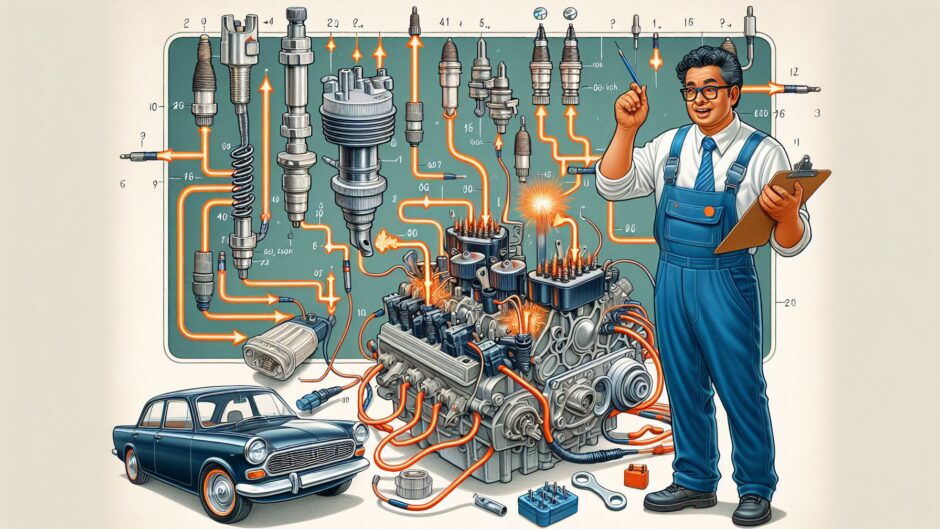
At the heart of every ignition system is the ignition coil. This coil is responsible for generating the high voltage needed to create a spark that ignites the air and fuel mixture in the engine cylinders. When you turn the key in the ignition switch, a signal is sent to the ignition coil to begin the process of creating this spark. The coil builds up energy from the car’s battery and then releases it in a sudden burst, creating a spark that travels through the spark plug wire to the spark plug.

The spark plug plays a crucial role in the ignition process by igniting the air and fuel mixture in the engine cylinder. As the spark travels from the coil to the spark plug, it creates a small but powerful electric current that jumps across the spark plug’s electrodes. This current then ignites the air and fuel mixture, causing a controlled explosion that propels the piston down and sets the engine in motion.

But the ignition system doesn’t stop there. The timing of the spark is also crucial for the engine to run smoothly and efficiently. This timing is controlled by the ignition timing system, which ensures that the spark plug fires at the precise moment when the air and fuel mixture is at its most combustible. By carefully timing the ignition process, the engine can run at optimal performance and fuel efficiency.

In modern cars, the ignition system is often controlled by a computerized engine management system. This system uses sensors to monitor various engine parameters and adjust the ignition timing accordingly. By constantly fine-tuning the ignition process, the engine management system can optimize performance, reduce emissions, and improve fuel efficiency.

In addition to the ignition coil, spark plugs, and engine management system, there are other components in the ignition system that play important roles. The distributor, for example, distributes the electrical current from the ignition coil to the individual spark plugs. The ignition switch, on the other hand, is what allows you to start the engine by turning the key in the ignition.

As you can see, the automotive ignition system is a complex and vital component of your car’s engine. Without it, your car would be nothing more than a stationary hunk of metal. So the next time you turn the key in your ignition and feel the engine roar to life, take a moment to appreciate the intricate science and technology that make it all possible.

So, whether you’re driving down the highway or cruising through city streets, remember that it’s the ignition system that’s keeping your car moving forward. The next time you turn that key in the ignition, take a moment to marvel at the amazing engineering that’s happening under the hood. Drive on, and let the thrill of the open road ignite your passion for automotive mechanics.

Don’t Just Dream, Start Your Own Car Collection: A Guide for Teenagers

Car collections are not just for millionaires and celebrities. As a teenager, you too can start your very own car collection with some planning, research, and a passion for automobiles. Whether you dream of owning classic vintage cars or modern sports cars, there is a wide range of options available for every budget. In this blog post, we will explore the world of car collections for teenagers and provide some tips on how to get started.

Introduction to Car Collections

Car collections are a hobby for many car enthusiasts who have a love for automobiles and enjoy collecting and showcasing them. Some collectors focus on specific makes or models, while others prefer a diverse range of vehicles in their collection. For teenagers interested in starting their own car collection, it’s important to first determine what type of cars you are passionate about and what your budget is.

Starting Your Own Car Collection

One of the first steps in starting your own car collection is setting a budget. While some cars can be expensive to purchase and maintain, there are also more affordable options available for teenagers with limited funds. Researching and attending car auctions, garage sales, and online marketplaces can help you find good deals on classic cars and project vehicles.

Liam, a teenage car collector, shares his experience of starting his collection: “I started my collection with a small budget and mainly focused on classic cars from the 70s and 80s. I had to put in some work to restore them, but it was worth it in the end. It’s all about passion and dedication.”

Tips for Teenage Car Collectors

  • Start small: Begin your collection with one or two cars that you are truly passionate about. As you gain more experience and knowledge, you can expand your collection over time.

  • Do your research: Learn about different car makes and models, as well as the maintenance and restoration process. Join online forums and attend car shows to connect with other car enthusiasts and collectors.

  • Budget wisely: Set a budget for your collection and stick to it. Factor in the cost of purchasing, restoring, and maintaining each car in your collection.

  • Stay organized: Keep track of all your car documents, maintenance records, and expenses. This will help you stay on top of the maintenance schedule and ensure your collection remains in top condition.

Conclusion

Starting a car collection as a teenager may seem daunting, but with the right approach and dedication, it is definitely achievable. By setting a budget, doing your research, and connecting with other car collectors, you can build your own unique collection of cars that reflects your passion and personality. Remember, it’s not just about owning cars, but also about appreciating the history, craftsmanship, and beauty of these vehicles. So don’t just dream, start your own car collection today and experience the thrill of being a teenage car collector.

Best Trucks for Going Off-Road for Mechanics

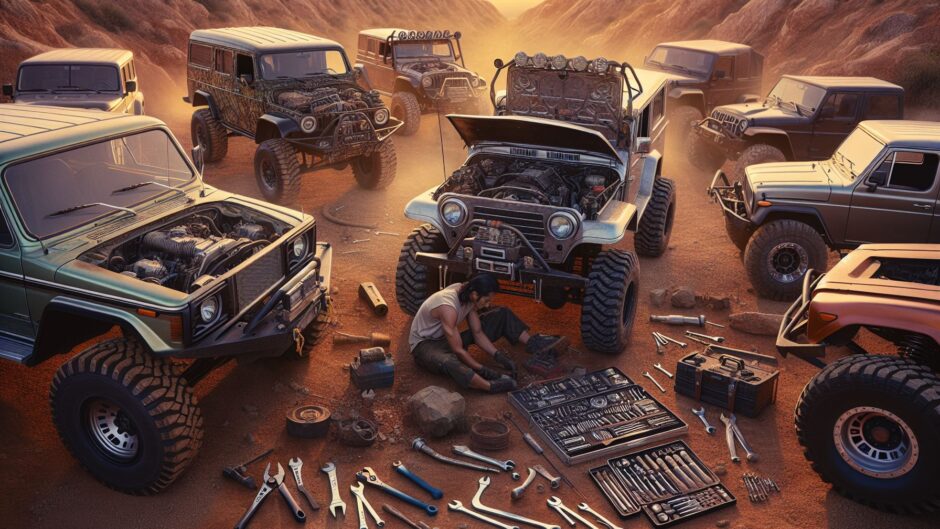
When it comes to tackling tough terrain, having the right truck can make all the difference. For mechanics who enjoy the thrill of off-roading, choosing a vehicle that can handle the challenges of rough terrain is essential. In this guide, we will explore some of the best trucks for going off-road, focusing on durability, performance, and maintenance considerations.

Introduction

Off-roading is a popular pastime for many mechanics who appreciate the technical aspects of vehicles and enjoy pushing their skills to the limit. Whether you’re navigating rocky trails, muddy backroads, or sandy dunes, having a reliable off-road truck is crucial. In this article, we will discuss some top picks for mechanics looking to take their off-road adventures to the next level.

Body

  1. Toyota Tacoma: Known for its rugged durability and off-road prowess, the Toyota Tacoma is a favorite among mechanics who enjoy off-roading. With plenty of ground clearance, advanced suspension systems, and available four-wheel drive, the Tacoma can handle a variety of challenging terrain. Regular maintenance, such as checking the suspension components and ensuring proper tire inflation, can help keep this truck performing at its best.

  2. Ford F-150 Raptor: For mechanics who crave power and performance, the Ford F-150 Raptor is an excellent choice for off-roading. Equipped with a high-output engine, off-road-specific suspension, and advanced four-wheel drive systems, the Raptor is designed to conquer even the toughest trails. Proper maintenance, including regular oil changes and inspections of the drivetrain components, can help ensure the longevity of this impressive truck.

  3. Jeep Wrangler: A classic choice for off-road enthusiasts, the Jeep Wrangler is a versatile and capable vehicle for mechanics who love to explore challenging terrain. With features like solid axles, advanced four-wheel drive systems, and removable doors and roof, the Wrangler offers a unique off-road experience. Regular maintenance, such as checking for rust and ensuring proper alignment, can help keep this iconic truck in top condition.

  4. Chevrolet Colorado ZR2: The Chevrolet Colorado ZR2 is a midsize truck that offers excellent off-road capabilities for mechanics seeking adventure. With features like Multimatic shocks, front and rear locking differentials, and skid plates, the ZR2 is ready to take on challenging trails. Regular maintenance, including inspecting the undercarriage for damage and checking the fluid levels, is essential to keeping this truck performing at its best.

Conclusion

For mechanics who enjoy off-roading, having a reliable and capable truck is essential. By choosing a vehicle that is designed to handle the challenges of rough terrain, mechanics can enjoy the thrill of off-roading while minimizing the risk of breakdowns or damage. Whether you prefer the rugged durability of the Toyota Tacoma, the power and performance of the Ford F-150 Raptor, the versatility of the Jeep Wrangler, or the off-road capabilities of the Chevrolet Colorado ZR2, there are plenty of options available for mechanics looking to take their off-road adventures to the next level. Regular maintenance and inspections are key to ensuring that these trucks perform at their best and are ready to tackle any off-road challenge. With the right truck and proper maintenance, mechanics can enjoy the thrill of off-roading with confidence and peace of mind.

Restoring a Classic Car: A Step-by-Step Guide for Backyard Mechanics

Restoring a classic car can be a rewarding project for backyard mechanics who have a passion for vintage vehicles. Whether you’re looking to bring an old classic back to its former glory or simply want to learn more about automotive restoration, this guide will provide you with the necessary steps to successfully restore a classic car.

Introduction

Before diving into the restoration process, it’s important to gather the right tools and materials. Make sure you have a well-equipped garage or workspace, as well as access to a reliable source of information such as car clubs or experienced mechanics who can offer guidance and advice throughout the restoration process.

Body

Step 1: Assess the Condition

Start by thoroughly inspecting the car to determine the extent of damage or wear. Take note of any rust, dents, or missing parts that will need to be addressed during the restoration process. This assessment will help you create a realistic timeline and budget for the project.

Step 2: Create a Restoration Plan

Develop a detailed plan outlining the specific repairs and modifications that need to be made. This plan should include a timeline, budget, and list of necessary tools and materials. Consult with car clubs or experienced mechanics for advice on the best approach to restore your classic car.

Step 3: Disassemble the Car

Carefully disassemble the car, taking care to label and organize all parts. This will make it easier to reassemble the car later on. Keep track of all hardware and components to ensure nothing gets lost during the restoration process.

Step 4: Repair and Replace Parts

Address any rust, dents, or damage to the body of the car. Replace any worn or damaged parts with new or refurbished components. Consult with car clubs or mechanics to find the best sources for replacement parts.

Step 5: Paint and Finish

Consult with automotive experts or experienced painters to determine the best paint and finish for your classic car. Take your time to ensure a quality paint job that will last for years to come. Consider enlisting the help of a professional for this step if you are not comfortable with painting.

Step 6: Reassemble the Car

Carefully reassemble the car, following your restoration plan and referring to any documentation or guides you have collected along the way. Take your time to ensure everything fits together properly and functions as it should.

Step 7: Test and Tune

Once the car is reassembled, test all components to ensure they are functioning correctly. Make any necessary adjustments or repairs to ensure the car runs smoothly and safely. Consult with car clubs or mechanics for guidance on tuning the engine and other mechanical systems.

Conclusion

Restoring a classic car can be a challenging but rewarding project for backyard mechanics. By following these steps and seeking guidance from car clubs and experienced mechanics, you can successfully restore a classic car to its former glory. Remember to take your time, be patient, and enjoy the process of bringing a vintage vehicle back to life.

Gas vs. Diesel Fuel: What Car Owners Should Know

When it comes to choosing the right type of fuel for your car, the decision between gas and diesel can be a confusing one. Both options have their own set of benefits and drawbacks, so it’s important for car owners to understand the differences before making a decision. In this article, we’ll break down the key differences between gas and diesel fuel to help you make an informed choice for your vehicle.

Gasoline Fuel:

Gasoline, also known as petrol, is the most commonly used fuel for cars in the United States. It is relatively inexpensive and widely available at gas stations across the country. Gasoline engines are known for their smooth and quiet operation, making them a popular choice for luxury and custom cars.

One of the main advantages of gasoline fuel is its higher energy density, which means that it contains more energy per gallon compared to diesel fuel. This results in better fuel efficiency and overall performance for gasoline-powered vehicles. Additionally, gasoline engines are easier and cheaper to maintain compared to diesel engines, making them a more cost-effective option for car owners.

However, gasoline engines tend to have lower torque compared to diesel engines, which may impact the acceleration and towing capabilities of the vehicle. Gasoline fuel is also less efficient at high speeds and under heavy loads, which can lead to higher fuel consumption and emissions.

Diesel Fuel:

Diesel fuel is commonly used in trucks, buses, and other heavy-duty vehicles due to its high torque output and fuel efficiency. Diesel engines are known for their durability and long lifespan, making them a popular choice for commercial vehicles. In recent years, diesel engines have also become a popular option for luxury and custom cars, thanks to advancements in technology and emissions control.

One of the main advantages of diesel fuel is its higher energy content, which results in better fuel efficiency and lower fuel consumption compared to gasoline. Diesel engines are also known for their high torque output, which makes them ideal for towing and hauling heavy loads. Additionally, diesel engines tend to last longer and require less maintenance compared to gasoline engines, which can result in cost savings for car owners in the long run.

However, diesel fuel is typically more expensive than gasoline, which can offset the cost savings from better fuel efficiency. Diesel engines also tend to produce more emissions compared to gasoline engines, which may be a concern for environmentally-conscious car owners.

In conclusion, the choice between gas and diesel fuel ultimately depends on the specific needs and preferences of the car owner. Gasoline fuel is a cost-effective option with better performance for luxury and custom cars, while diesel fuel offers superior fuel efficiency and torque output for heavy-duty vehicles. By understanding the key differences between gas and diesel fuel, car owners can make an informed decision that aligns with their driving habits and budget.