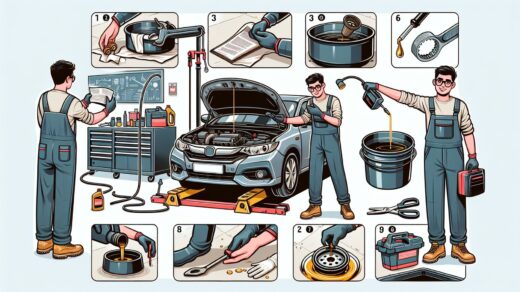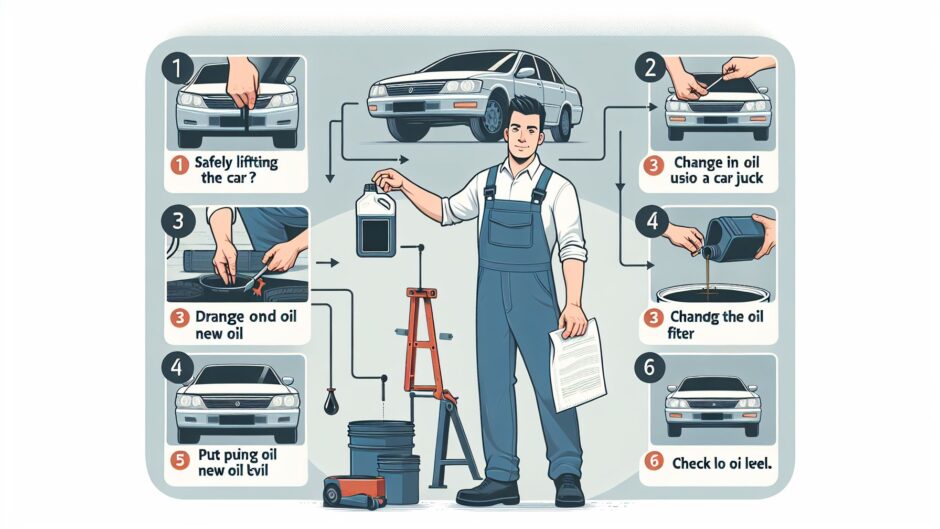
Whether you’re a seasoned car enthusiast or just starting to get your hands dirty under the hood, changing the oil in your vehicle is a crucial skill every car owner should have. Regular oil changes are essential for keeping your engine running smoothly and efficiently. In this step-by-step guide, we will walk you through the process of changing the oil in your car like a pro.
Step 1: Gather Your Tools and Materials
Before you begin, make sure you have all the necessary tools and materials on hand. You will need:
- A jack and jack stands
- An oil filter wrench
- A socket wrench set
- A new oil filter
- A funnel
- Oil drain pan
- New engine oil
Step 2: Prepare Your Vehicle
Start by parking your car on a flat surface and engaging the parking brake. Let the engine run for a few minutes to warm up the oil, making it easier to drain. Turn off the engine and wait for it to cool down before proceeding.
Step 3: Locate the Oil Drain Plug
Crawl under the car and locate the oil drain plug. Place the oil drain pan underneath and use the socket wrench set to loosen the plug. Be careful as the oil may be hot. Allow the oil to drain completely into the pan.
Step 4: Replace the Oil Filter
Once the oil has drained, locate the oil filter – it is usually located near the oil pan. Use the oil filter wrench to remove the old filter. Before installing the new filter, lubricate the gasket with some fresh engine oil. Hand-tighten the new filter in place.
Step 5: Refill with Fresh Oil
Return the oil drain plug to its original position and tighten it with the socket wrench. Use the funnel to pour the new engine oil into the oil filler cap. Check your vehicle’s owner’s manual for the correct oil type and quantity.
Step 6: Check the Oil Level
Once you have filled the engine with oil, start the car and let it run for a few minutes. Turn off the engine and allow the oil to settle before checking the oil level using the dipstick. Add more oil if necessary.
Step 7: Dispose of the Old Oil
Do not forget to dispose of the old oil properly. Many auto parts stores and recycling centers have oil recycling programs where you can drop off your used oil for recycling.
Conclusion
Changing the oil in your car may seem like a daunting task, but with the right tools and a little know-how, it can be a simple and rewarding experience for car enthusiasts. By following these steps, you can ensure that your engine remains in top condition and running smoothly for years to come. Remember to schedule regular oil changes to keep your vehicle in peak performance. So, grab your tools and get ready to take on this essential maintenance task for your beloved car.