How To Get More Horsepower Out Of Your Engine

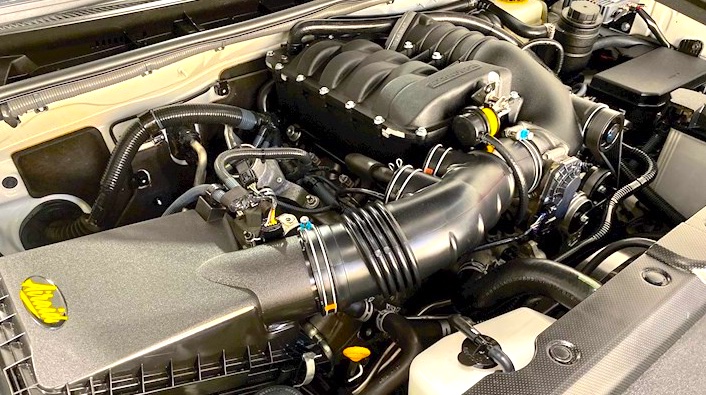
under hood of high performance car

Have you ever seen the movie Fast and The Furious? If you answered yes, then you know how important horsepower is to the overall performance of your vehicle. If you’re new to automotive lingo, and are just now learning about horsepower, then this article will be a great starting guide for you. We are going to jump right into getting more horsepower out of your automobile.

Side Note: If you haven’t subscribed to our newsletter, then make sure you sign up for all the new content we will be publishing in 2024! If you don’t subscribe to the newsletter, make sure you follow us on social media so you can stay caught up on all of the engine mods we will be performing in 2024. Look for us on Youtube, with some great DIY videos on improving horsepower for your engine. That said, get in, buckle up, and hold on because we are about to take you on a fast ride through the basics of engine horsepower.

If you’re looking to get more horsepower out of your engine, there are several things you can do. Increasing the compression ratio and increasing camshaft duration are two of the most effective ways to increase horsepower.

Compression Ratio Explained

The compression ratio is the total volume of the combustion chamber when the piston is at its highest point, compared to the volume of the same chamber when the piston is at its lowest point. A compression ratio of 8:1 or 10:1 is considered ideal for most engines; higher compression ratios can lead to increased horsepower as well as improved fuel economy. However, compression ratios over 12:1 are not recommended for street engines as they can be prone to pre-ignition and detonation.  It’s important to remember that a higher compression ratio also increases the amount of force required to turn the crankshaft, which in turn requires stronger internal engine components such as pistons and rods. Thus, compression ratio selection can be a balancing act between efficiency, power and durability.  Ultimately, compression ratio is an important metric to consider when tuning an engine for maximum performance or fuel economy.

Camshafts Explained

The camshaft is a critical component of an engine’s valve train that helps control the timing and duration at which valves open.  It works in tandem with the cam followers, springs and valves to regulate air intake into the cylinder. By controlling the flow of air, camshafts can increase power output or help improve fuel economy, depending on their cam profile. As camshafts vary in design, they have different cam profiles that can produce unique performance characteristics. In addition, camshafts must also be chosen with the compression ratio of an engine in mind as higher compression ratios require more valve lift to allow for proper filling of the cylinder,  Additionally, camshaft choice and camshaft timing is also critical to the performance of an engine. Camshafts can be constructed from cast iron, billet steel or forged steel and cam selection depends on the type of application they are intended for. Commercially available camshafts come in a variety of designs so it is important to choose one that best suits your application. Finally, camshafts can also be modified by grinding and polishing to help produce even more unique performance characteristics. Camshaft duration affects how long the valves remain open, which affects the amount of air and fuel that enter the combustion chamber. Increasing camshaft duration can increase horsepower levels as well. In summary, the camshaft is an essential component of any internal combustion engine as it helps determine valve timing, valve lift and compression ratio – all of which affect overall engine performance.

In addition to increasing horsepower, these modifications also enable your engine to produce more torque – a measure of rotational force – for improved acceleration and overall performance. However, be mindful that engine modifications can affect the vehicle’s overall emissions. Therefore, before making any changes, be sure to check your local regulations and take necessary steps to ensure you stay compliant with applicable laws.

While engine modifications are one way to increase horsepower, it’s also important to address the power delivery system from the flywheel to the wheels. This includes the clutch, transmission, differentials, axle ratios and any other components in between. If any of these parts are restricting horsepower output, you may need to upgrade or replace them for peak performance.

Finally, consider adding a performance exhaust system as it is much more efficient than the stock exhaust and can help increase horsepower by allowing exhaust to flow more freely. In addition, a performance intake system can also increase horsepower by providing the engine with more air and fuel.

By following these tips, you can get more horsepower out of your engine without having to resort to major modifications. Just remember to check your local regulations before making any changes and take necessary steps to ensure your engine is running in peak condition for maximum horsepower output.

Good luck!

How Landlords Can Capitalise on the EV Charging Boom

EV Charging Boom

Property owners across the board from commercial property owners to suburban strip mall owners have discovered that EV chargers represent a new value-creating asset. The combination of federal incentives and increasing demand and tenant expectations creates an opportunity for landlords to convert parking spaces into profitable charging stations.

Demand Is Skyrocketing

BloombergNEF predicts that electric vehicle adoption in the U.S. will reach 40% of new car sales by 2030. The growing number of electric vehicle users will require charging facilities at buildings and they will select properties that provide charging stations.

The growing number of retailers and office tenants along with residential renters now view EV availability as an essential requirement when choosing buildings in competitive urban markets.

Revenue and Cost Recovery Opportunities

Smart EV chargers allow landlords to:

  • Set usage fees per kWh or session
  • Offer time-based pricing to encourage turnover
  • Provide exclusive or premium access for tenants

The National Association of Realtors identifies EV charging as an emerging operational and rental revenue source that benefits retail centers hotels and multi-family complexes.

Maximising ROI with Incentives

The installation costs of EV charging stations decrease substantially because landlords can receive federal and state grants which provide rebates and tax credits. Smart planning enables energy expense reduction through off-peak scheduling and load balancing methods.

ApexCharger provides complete installation and billing services to landlords and commercial owners who want to upgrade their properties.

Final Word

EV charging stations have evolved from being a tenant convenience to becoming a profitable business opportunity. Landlords who take immediate action can capitalize on increasing demand to create new revenue streams while building enduring property value.

Conquer the Great Outdoors: Best Off-Road Trucks for Women

Every driver deserves a truck that matches their persona and passion for excitement. For those women who are adventurous at heart and love the great outdoors, an off-road truck becomes an indispensable companion. These muscular powerhouses are decked up with incredible range, comfort, and agility to tackle the rough and tumble of off-road tracks.

We’ve consulted with auto clubs and mechanics to bring you the best blend of practicality, performance, and panache ideal for spirited lady travelers. So fasten your seat belt, as we’re about to launch into an adrenaline-pumping journey of perfect off-road companions for women.

Ford Ranger Raptor

Talk about a phenomenal display of power and precision, and the Ford Ranger Raptor stands tall. With a gutsy 210 horsepower, 2.0-liter twin-turbo diesel engine and ten-speed automatic transmission, this truck packs quite a punch. Its Terrain Management System offers various modes to tackle different terrains, making off-roading a breeze!

Auto clubs praise its high-strength steel frame, adapted long-travel suspension, and outstanding ground clearance. Plus, the refined interior, with impressive infotainment options and plush seats, assures comfort throughout your daring escapades.

Chevrolet Colorado ZR2

The Chevrolet Colorado ZR2 is popular among adventurers and mechanics alike. Credit goes to its fierce 3.6-liter V6 engine offering robust 308 horsepower. Its Multimatic DSSV dampers are off-road dedicated, soaking up harsh impacts brilliantly while ensuring a smooth ride.

Its rocker protection, modified front and rear bumpers, and competent tires handle rough terrains with ease. The ZR2’s roomy and comfortable interior is paired with tech-savvy features like wireless charging and Chevrolet’s excellent infotainment system.

Toyota Tacoma TRD Pro

Toyota Tacoma TRD Pro is always ready to kick up some dirt with its hardy 3.5-liter V6 engine and special off-road shocks. It brings impressive off-road credentials with Crawl Control and Multi-Terrain Select system, allowing adaptability through treacherous landscapes.

Auto clubs commend this truck for its unique blacked-out hood scoop and over-bed graphic, making it quite a head-turner. Inside, a host of sophisticated features like the JBL sound system, integrated navigation, and leather-trimmed seats await to cocoon you in comfort even on the wildest rides.

Jeep Gladiator Rubicon

From rocky trails to muddy puddles, the Jeep Gladiator Rubicon handles everything off-road with an unmatched level of audacity. This truck’s unconquerable 4×4 system, durable rock rails, Tru-Lok front and rear electronic locking differentials, and Fox shocks, make it an absolute beast on the trail.

Mechanics often recognize it for its removable doors and roof, which add an extra dose of thrill to the off-roading experience. Moreover, its technologically advanced and convenient interior manifests a perfect balance of ruggedness and comfort.

Conclusion

From hardcore rock crawlers to feature-rich, comfy trail tamers, these trucks are perfect partners for all your off-road adventures. They blend brilliant engineering, compelling aesthetics, and undeniable practicality into fantastic on and off-road companions. Remember, consult an auto club and mechanics to ensure your chosen truck matches your lifestyle and off-roading ambitions. Go ahead and break away from the everyday routine, infuse some excitement into your life and conquer unexplored terrains with these mind-blowing off-road trucks tailored for women. Drive on, ladies!

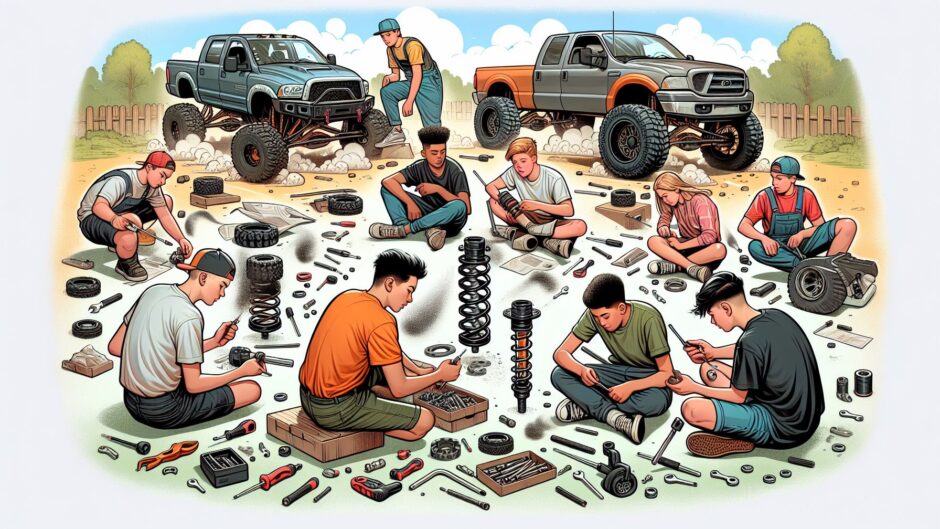
Navigating Bumpy Rides: Best Suspension for Off-road Teenage Motorists

Off-roading is more than just a thrilling sport, it’s an adventurous and enriching learning experience for young motorists. Picking out the ideal off-road vehicle for a teenager can be a balancing act for parents. Safety features, engine maintenance, and the suspension system are some of the factors parents should consider to ensure their teenager’s safety while enjoying their off-road experience.

The Importance of Good Suspension for Off-road Vehicles

The suspension system is one of the essential components of an off-road vehicle. Especially for teen drivers who are still getting used to handling vehicles on rough terrains, a stable and durable suspension system can make a world of difference. It maintains the connection between the wheels and the ground, ensuring better control of the vehicle even on bumpy surfaces. It also improves the comfort of the ride, reducing the level of jolts and jerks experienced within the vehicle. Engine maintenance also becomes less frequents as suspension systems serve as a buffer, protecting the engine from the frequent jolts of off-road driving.

Fox Factory Racing Shocks

When it comes to off-road suspensions, Fox Factory Racing Shocks is a brand that shines. Trusted by many professionals in the field, the brand delivers a nice blend of durability and performance. Featuring a mono-tube design to eliminate oil aeration and an adjustable damping to suit personal preferences, it’s flexible to various conditions. Plus, with their sleek anodized aluminum bodies, these shocks not only function great, but they also look the part.

Bilstein B8 Series

For teenagers starting in the off-road world, easy engine maintenance and robust functionality are crucial. The Bilstein B8 series checks both these boxes. It offers a gas-pressure system that is brilliant for heavy-duty applications, providing excellent stability and control over the vehicle regardless of the terrain. These shocks are not only tough but have a reputation for being dependable, meaning they can withstand some serious off-road wear and tear, a vital factor when considering purchasing an off-road vehicle.

King Racing Shocks

King racing shocks are famous for their customizability, making them an excellent choice for budding motorists venturing into the off-roading world. They offer adjustable damping configurations and are built with large diameter shock bodies, which help with added control and are perfect for rough terrains. Their piggyback reservoirs perform the dual role of increasing the shock’s oil capacity and minimizing heat build-up, which can significantly reduce engine maintenance times.

Old Man Emu Nitrocharger Sport Shock Absorber

The Old Man Emu Nitrocharger Sport shock absorbers are the perfect pick for the young off-roader in your family. They offer improved control and traction on uneven surfaces, a trait that can significantly increase confidence among novice drivers. Additionally, the multi-stage valving system in these shocks offers smooth ride quality, and they are designed to work serenely under tough conditions, ensuring less engine wear, thus fewer maintenance hassles.

Conclusion

Choosing the perfect suspension for your teenager’s off-road vehicle involves considering factors like safety, control, durability, engine maintenance, and the driver’s preference. Fox Factory Racing shocks, Bilstein B8 series, King Racing shocks, and Old Man Emu Nitrocharger Sport shock absorbers stand out as some of the best suspensions to consider, each offering unique benefits promoting a fun, safe and hassle-free off-road journey. And let’s not forget, while we all want our children to have the best equipment, teaching them safety protocols, responsible driving, and regular engine checks are as important as investing in high-quality vehicle parts. Happy off-roading!

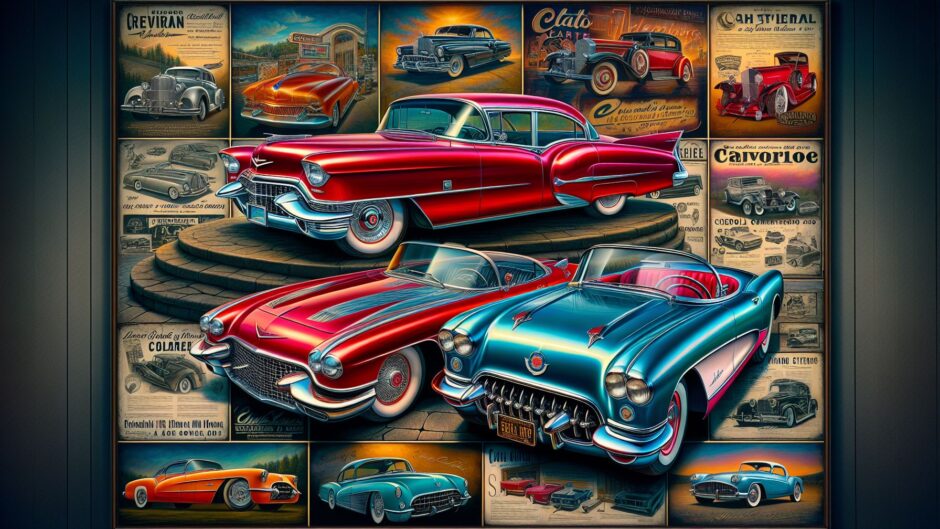
An Ode to Classic Cars: An Indispensable Part of The Auto Industry’s Rich Tapestry

Cars today are remarkable feats of engineering, filled to the brim with features aimed at delivering comfort, convenience, and unparalleled performance to car enthusiasts around the world. Despite the technological advancements and innovative designs of modern cars, there’s an enduring charm about classic cars that continue to capture hearts. This blog aims to shed light on this time-honored segment of the auto industry and share the common interests of auto clubs in preserving these precious pieces of history.

A Glimpse Back In Time: The Allure Of Classic Cars

Classic cars are an embodiment of the historical era they were manufactured in, encapsulating the unique taste and style of that time. From the 1910 Ford Model T to the 1950’s Chevy Bel Air, these vehicles are a testament to the rich panorama of the automobile world. Their sleek lines, distinctive shapes, and powerful engines are a tribute to the ingenuity and skill of their creators.

Auto clubs have played a pivotal role in preserving classic cars, promoting knowledge dissemination and fostering a sense of camaraderie among classic car owners. They serve as pillars of the classic car community, hosting car shows, swap meets, and restoration workshops. Groups like the Classic Car Club of America (CCCA) and the Vintage Sports-Car Club (VSCC) have set the yardstick in terms of maintaining a repository of these ageless beauties.

Under the Bonnet: The Mechanics Of Classic Cars

At first glance, the mechanics of classic cars might seem rudimentary compared to their modern counterparts. However, the solid build, unpretentious nature, mechanical purity, and lesser reliance on electronic components offer a raw, unadulterated motoring experience that makes these automobiles a delight to drive.

In contrast to today’s digital dashboards, the simple yet tastefully arranged gauges and dials in a classic car depict an era of handcrafted artistry. Their mechanical robustness coupled with the ability to perform repairs and minor modifications independently appeals to the DIY-enthusiast in us.

Essential Car Accessories For The Classic Cars

Preserving the intrinsic nature of the classic car requires careful curating of car accessories; ensuring they align with the vehicle’s vintage appeal. A vintage radio, period-correct seat covers or sunshades, reproduction floormats, and original manufacturer’s logos are authentic add-ons that maintain the car’s classic charm without compromising on its functionality.

However, subtle modern safety upgrades are acceptable and, in fact, crucial to ensuring the car’s safety and longevity. Supplemental brake lights, radial tires, updated seatbelts, and halogen headlights are some discreetly incorporated modern features that can not only enhance the drivability of the car but also ensure its viability on today’s roads.

Concluding Remarks: The Timeless Gratification of Classic Cars

Classic cars are not mere vehicles; they are time capsules graced with stories of the past. The throbbing engines, the mellifluous exhaust notes, the simplicity of their mechanics, and their aesthetic appeal — it’s a combination that gloriously defies the sands of time, and it is precisely this distinctive fascination that resonates with car enthusiasts and auto clubs worldwide.

Though modern cars might overtake them in terms of performance, comfort, and technological prowess, classic cars hold their ground thanks to their charm, character, and nostalgia. Moreover, the heartening trend of electric-converted classic cars points towards a promising future for these beloved icons – cars that truly reflect a bygone era yet stay relevant today.

In every sense of the phrase, classic cars deserve to be celebrated – their preservation and continuity equally important as the pursuit for speed, technology, and innovation in the automobile industry. The hands which carefully maintain these beauties, the auto clubs that share their passion and knowledge, and the enthusiasts who delight in their timeless allure – here’s to all of you for keeping the spirit of the classic car alive!

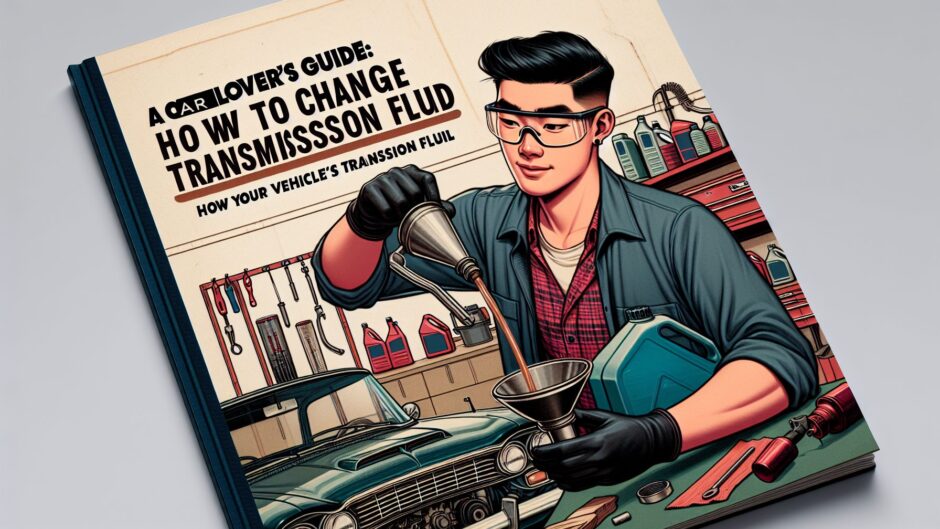
A Car Lover’s guide: How to Change Your Vehicle’s Transmission Fluid

In the realm of vehicle maintenance, the transmission fluid is often overlooked. Many car collectors and enthusiasts turn a blind eye to it, but in reality, it plays a vital role in ensuring that your vehicle operates efficiently and smoothly. This article seeks to educate these passionate admirers of vehicles on how to change the transmission fluid.

Importance of Transmission Fluid

Before we dive into the process of changing the transmission fluid, let’s come to terms with its significance in your car’s overall functioning. Much like engine oil, the transmission fluid serves to lubricate the components of a vehicle’s transmission for optimal performance and prevention of overheating.

And just like your engine oil, over time, the transmission fluid degrades and loses its efficacy – hence the need for a change. Frequent maintenance of your vehicle ensures its longevity, and understanding how to do simple tasks like changing your transmission fluid is part of the process.

Identifying When to Replace Transmission Fluid

Spotting when to replace your transmission fluid can prove daunting for many vehicle owners. However, consulting your vehicle’s maintenance schedule in the owner’s manual is an advisable first step. The commonly accepted guideline is to change your transmission fluid after every 30,000 to 60,000 miles. However, this can vary depending on the make and model of your car, your driving habits and the driving environment.

The Process of Changing Transmission Fluid

Now let’s get to the crux of the matter – the actual replacement of the transmission fluid. Here is a step-by-step guide:

Gathering the essentials

You will need new transmission fluid, a wrench, a drain pan, an oil filter, and optionally, a jack stands and wheel chocks for safety purposes. Make sure you buy the correct fluid labelled for your specific vehicle model.

Warming Up

Before you drain the fluid, take the car for a short drive to warm up the fluid making it less viscous and easier to drain.

Safety first

On a flat surface, park your vehicle and apply the parking brake. If your car sits low, safely lift it using jack stands and secure it with wheel chocks to prevent movement.

Draining the fluid

Locate the transmission pan under your vehicle and place a drain pan beneath it. Unscrew the bolts (partially, not completely) at the corners of the transmission pan and let the old fluid drain.

Replacing the filter

Open up the pan and remove the old filter. Install a new filter in its place. Now, clean the pan thoroughly before reinstallation – you don’t want to mix fresh fluid with bunches of old gunky fluid.

Adding new fluid

Finally, attach the pan back onto the vehicle and tighten the bolts evenly. Then, locate the transmission fluid dipstick under the hood of your car, remove it and use a funnel to pour in the new fluid.

Be careful not to overfill it and ensure you use the right amount as specified in your owner’s manual. Once you have added the fluid, replace the dipstick, close the hood and start the car, shifting through all the gears before finally putting it back to park.

Conclusion

And there you have it, car lovers and collectors! Learning to change your vehicle’s transmission fluid is not as daunting as it might seem. It’s an essential skill that can save you time and money in the long run. As with any vehicle maintenance procedure, safety should always be your priority. We hope that this guide emboldens you to further explore the rewarding art of car maintenance. Keep learning, keep striving, and keep loving your cars!

Collecting and Customizing Cars: A Fascinating Hobby for Women

Today, more than ever before, women are shattering traditional stereotypes and embracing interests that have typically been dominated by men. One such hobby that is increasingly piquing the interest of many women is the exhilarating world of collecting and customizing cars.

Traditionally male-oriented, car collection and customization, has seen an increase in female participants in recent years, with several women making waves in this realm. In this blog, we are going lay down some essential insights and guide women who are enthusiastic about embarking upon this unique journey.

Understanding the Art of Car Collection

Collecting cars is much more than simply buying and storing vehicles. It’s about appreciating the historic and aesthetic value of automobiles, understanding different models, and possibly restoring or customizing older cars. Women are demonstrating their capabilities in recognizing car values, performing restorative works, and even venturing into custom cars concepts.

Many novice collectors jump into the endeavor, attracted by the financial value aspect, only to wind up overwhelmed. Remember, car collection is subjective, and the value of a car often lies in the eye of its beholder. So instead of focusing solely on the possible financial benefits, consider cars that appeal to your aesthetic tastes, historical interest, or drive performance.

Accessing the World of Custom Cars

And then there’s the undeniable appeal of custom cars. Customization is essentially about adding a personal touch to a vehicle to make it stand out from the crowd, whether that means tweaking the internal mechanics for superior performance or overhauling the exterior for an eye-catching look.

Women are increasingly embracing the challenge of creating custom cars, experimenting with different mods and bringing a fresh perspective to the custom car scene. After all, a car is essentially a canvas for your creativity, and there’s nothing like the satisfaction of driving a car that has been customized to your specifications.

Research, Patience, and Passion

Whether you’re interested in collecting or customizing cars, it’s essential to arm yourself with knowledge. Do your research, understand the market, and learn about different car models.

Patience is also a required attribute in this domain. It takes time to find the right car according to one’s taste or to see a remarkable return on investment if that’s your ultimate goal. Similarly, customizing a car often entails countless hours of work and fine-tuning. But it’s the undying passion for these metal beasts that make all the labor worthwhile.

Building Connections in the Car Community

Enthusiasts also reap rich rewards by connecting with the wider car community. Joining local car clubs, attending vintage car shows, or participating in auto mechanic workshops not only opens learning avenues but also fosters a sense of belonging and can lead to lifelong friendships.

Wrapping It Up

In a nutshell, the domain of car collection and customization, once a primarily male-dominated realm, is now seeing enthusiastic entrance from women. This shift is not about gender battles but about inclusivity, diversity, and most importantly, the shared common ground – the love for cars. Women bringing their unique perspective to this field can indeed be a game-changer.

In the end, remember that these hobbies’ backbone is a love for the craft, an appreciation for mechanical beauty, and the thrill of the drive. As a woman, if these things excite you, then the world of collecting and customizing cars is indeed a fascinating journey to embark upon.

Embarking on the journey of collecting custom cars as a woman can be a courageous and exciting task. It only requires passion, patience, and a keen eye for beauty and detail. Give it a go – the highway is yours to conquer!

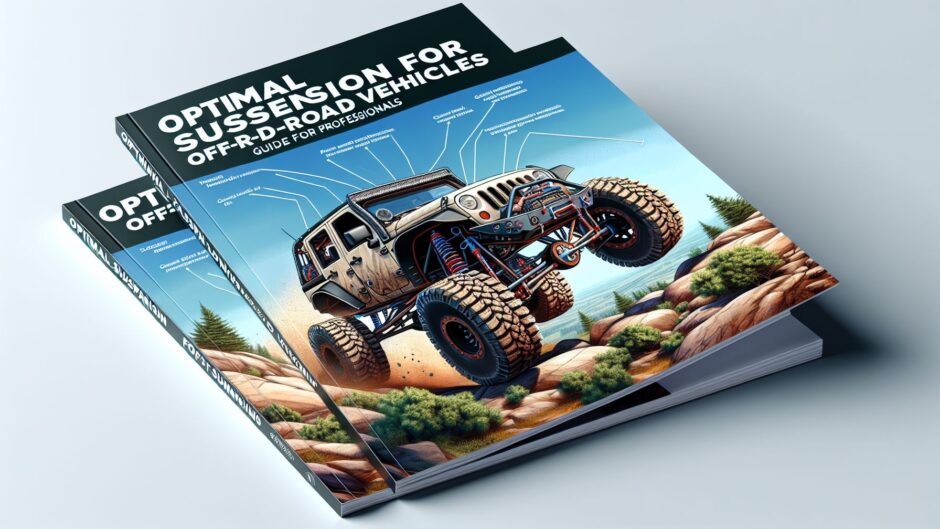
Optimal Suspension for Off-Road Vehicles: A Guide for Professionals

Suspension system in off-road vehicles has an important role to play in a vehicle’s ability to navigate challenging terrains confidently while also maintaining passenger comfort. For car collectors and professionals who obsess over the finer details of their 4×4 vehicles, the historical evolution and performance nuances of this critical component can be a fascinating journey. This blog delves into the dynamics of the best suspension systems specifically meant for off-road vehicles.

What is an Off-road Vehicle Suspension? An Overview

The suspension system of an off-road vehicle is designed to offer smooth ride, enhanced stability, handling, and control, especially during high-speed operations on rough terrains. When we talk about suspension in the automotive parlance, it includes a complex constellation of components such as springs, shock absorbers, linkages, bearings and precision-engineered joints that connect a vehicle to its wheels.

Off-road suspension systems are specifically designed to maintain an optimal level of traction between the tires and the terrain, which becomes more of a challenge as the driving surface becomes irregular or loose. For car collectors and serious off-roading enthusiasts, having an understanding of these dynamics can significantly augment the driving experience.

Elements of a Great Suspension for Off-road Vehicles

Understanding the best suspension for off-roaders entails considering the various elements that contribute to its overall performance. Here are the key components to account for:

1. Shocks and Springs

Shock absorbers and springs are what absorb the impact from the terrain, giving passengers a smooth ride. The best shocks for off-roading are typically longer and more robust, allowing for more wheel travel and better control. Coilovers are often a favorite among professionals and hardcore enthusiasts as they combine both springs and shock absorbers into one compact and efficient unit.

2. Control Arms

Control arms are components that connect the vehicle’s frame to the wheel assemblies. They maintain correct tire alignment and enable the vehicle to negotiate with difficult terrains effectively. Upgraded control arms designed for off-roading are sturdier and often adjustable, a attribute appreciated by most mechanics working on high-performance, off-road vehicles.

3. Bushings and Bearings

Bushings and Bearings are small but critical parts of the suspension system. They act as the pivot points that allow the various suspension components to move freely. Off-road upgrades often include materials like polyurethane or high-density rubber which offer improved durability and performance over standard rubber.

Investing in the Right Suspension System: A Conclusion

In conclusion, the best suspension system for an off-road vehicle is one that takes into account the above-listed factors, with robust shocks and springs, sturdy control arms, and durable bushings and bearings. While the suspension of each vehicle can bring its own unique nuances, professionals, including car collectors and mechanics, appreciate these nuances as it adds thrill to their off-road experiences.

Moreover, it is vital to bear in mind that what counts as the ‘best’ in terms of suspension system can vary greatly depending on individual needs, purpose of the vehicle and the nature of terrain usually being navigated. Hence, personalized evaluations and customization according to specific use cases become key.

Whether it’s for competitive sports, recreational usage, or simply to satisfy a craving for the examination of fine mechanics, investing in the right off-road suspension system can deliver tangible results in terms of comfort, control, and performance. And, after all, isn’t that the joy of any off-road adventure?

Automotive Restoration: A Journey of Passion and Precision

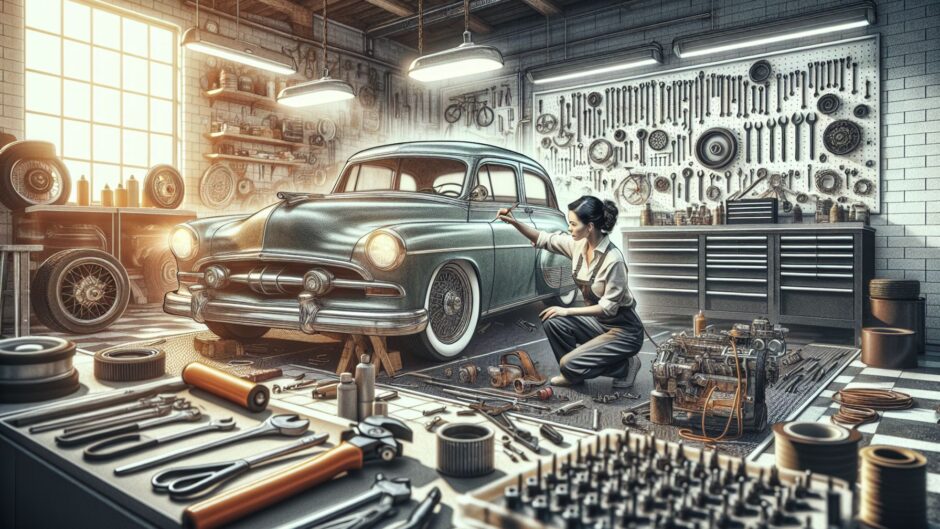
Automotive restoration is a captivating activity that unites car enthusiasts around the world. It’s the process of returning a vehicle to its original, or improved, condition by removing, repairing, and replacing parts, as well as performing a comprehensive analysis of its function and aesthetics. Moreover, automotive restoration involves elements of automotive repair and designing custom cars, making it a multi-faceted endeavor.

The Art of Automotive Restoration

When car enthusiasts talk about automotive restoration, they often describe it as an art. It demands meticulous attention to detail, vast knowledge of different vehicles and their components, and an unending passion for vehicles. But more than anything else, it requires dedication and time. Automotive restoration is not a quick process. Instead, it’s a comprehensive and lengthy procedure that puts your patience to the test.

Categorizing Automotive Restoration

Automotive restoration exists in four main categories: driver restoration, street show restoration, show car restoration, and concourse restoration – each differing in intensity, cost, and time commitment.

1) Driver Restoration:

Driver restoration, the least intensive category, involves basic repairs that make the car functional and aesthetically pleasing.

2) Street Show Restoration:

A level up is the street show restoration. Here, the vehicle is restored beyond its original functionality, with added comfort and aesthetic features, transforming it into a showpiece suitable for car shows.

3) Show Car Restoration:

Show car restoration takes it a step further, returning the car to brand new condition as if it just rolled off the assembly line.

4) Concourse Restoration:

Lastly, concourse restoration involves restoring the car to its exact original state, using period-specific parts, materials, and techniques. This is the most time-consuming and expensive category of automotive restoration.

Regardless of the category, each project incorporates aspects of automotive repair and custom car design, adding to a restorer’s skills and knowledge.

The Process of Automotive Restoration

The roadmap for an automotive restoration process varies according to the state of the vehicle and the restorer’s goal. However, a typical process will involve a handful of key stages:

  1. Dismantlement: The first stage of any automotive restoration project is to dismantle the vehicle and catalogue every part.

  2. Inspection and Assessment: A rigorous examination of every part takes place in this stage, assessing their condition, and deciding whether to replace or repair each piece.

  3. Repair and Replace: Here is where elements of automotive repair come into play. Keeping the vehicle’s character and period authenticity in mind, professionals will make necessary repairs or replacements.

  4. Reassembly and Testing: After careful restoration, each part is reinstalled. The car then goes through a series of tests to assure functionality.

  5. Finishing Touches: Now, the focus shifts to the aesthetics. Restorers will often give the vehicle a new paint job, polish the bodywork, and refurbish the interior.

The Rewards of Automotive Restoration

The joy of driving a car that you’ve dedicated time, money, and effort into restoring is unparalleled. It not only offers a journey back in time but also is a testament to your knowledge, skills, and passion. Beyond personal satisfaction, restored cars are often valuable commodities, with some classic models fetching huge sums at auctions and private sales.

In conclusion, automotive restoration is much more than meandering in the garage. It is a blend of technical expertise, historical research, deep passion, and commitment that brings an old, neglected vehicle back to life or sometimes, makes it even better than its original state. It’s a captivating world, where the journey matters just as much as the destination. All aboard for the ride?

Understanding the Intricacies: The Difference between Gas and Diesel Fuel for Mechanics

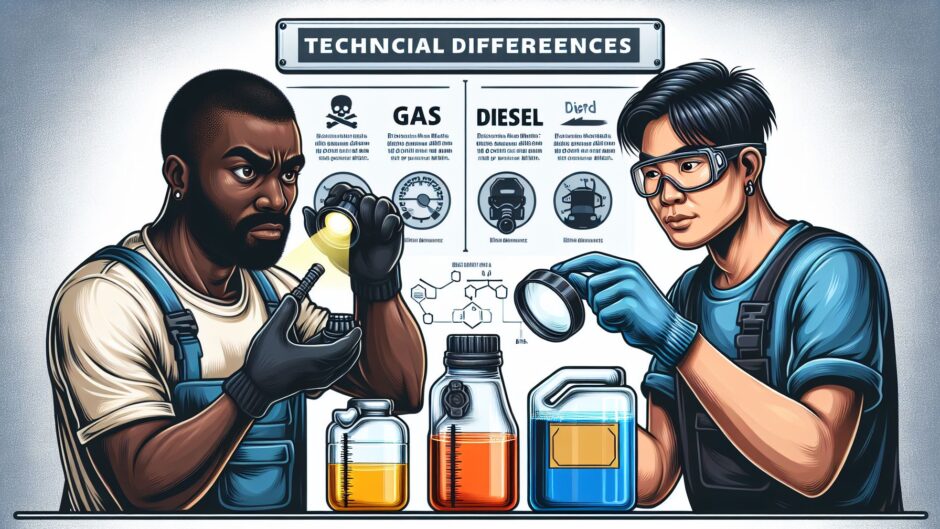
Hello to our auto club members, collectors, and every car enthusiast visiting us today! Have you ever found yourself in a dilemma, not knowing how to explain the fundamental difference between your gas-driven ride and your buddy’s diesel truck? Well, today’s your lucky day for an enlightening tour at the heart of the automotive world – fuel types. Wonder no more, as we dive deep into the world of diesel and gas!

Gasoline: A Brief Overview

Dubbed as ‘gas’ for short in the U.S., gasoline took the lead as the preferred choice of fuel for motorists during the early 20th century. Derived from crude oil, gasoline is a lightweight, volatile liquid with an intricate blend of hydrocarbons. Its primary advantage lies in its propensity to ignite easily and quickly. Once triggered by your car’s spark plug, it combusts to produce the power that carves your journey on the road.

Another edge for gasoline is it operates at lower engine compression. Hence, less internal engine stress subsequently translates to a quieter, smoother ride. Yet, it’s worth noting the bigger picture; gas engines boast higher RPM, stimulating a sportier, high-speed performance for your weekend joyrides with your auto club buddies.

However, on the flip side, gas engines fall short in fuel efficiency. They burn more fuel and emit substantial amounts of carbon dioxide, making it less eco-friendly.

Diesel: The Heart of the Heavyweights

Transforming from its modest beginnings in the 1890s, diesel has skirted its way as the lifeline of the heavy-duty automotive industry, thanks to its high-energy density and superior fuel efficiency.

Contrary to gas, diesel fuel comes with a higher energy content and burns in a different way. In a diesel engine, the fuel mixes with high-compressed, hot air that ignites it—a process lauded as compression ignition. This efficiency in ignition paves the way for better fuel economy—the cars consuming less fuel per mile driven.

Diesel engines possess another notable advantage—torque. Imagine hauling a colossal camper or towing a heavy trailer; it demands a substantial amount of pulling power. It is an arena where diesel engines excel, making them an optimal choice for trucks and commercial vehicles.

But, diesel is not without its flaws. The richer energy content magnifies the NOx and particulate emissions, prompting a pressing concern for air pollution. Modern diesel engines have mitigated these effects with advanced technology, yet it increases the upfront cost for diesel vehicle owners.

In Conclusion: A Matter of Preference

In our lively discussions at classic car meet-ups, in auto club forums, or in quiet corners at collector’s exhibitions, the gas vs. diesel debate continues to stir up contrasting opinions. Gasoline and diesel, despite their shared lineage from crude oil, present their unique advantages and shortcomings.

If performance and speed steer your choice, gas would be your go-to fuel. Conversely, if fuel economy, power, and longevity top your list, diesel fits the bill. However, you must also consider emissions and environmental impacts as well as the initial vehicle cost.

Hopefully, you now hold the reins to better understand and explain the difference between gas and diesel engines. There’s something alluring about the intricate details and mechanics of the vehicles we love, and part of that is knowing what happens under the hood. So keep testing, learning, and sharing, dear auto club members and collectors!

Have a question or an experience you’d like to share? Send them over. We love to hear the personal experiences and expert insights from our fellow automotive enthusiasts! Until then, happy driving!

Demystifying Engine Combustion: A Guide For Women Who Love Cars

Gone are the days where the depths of car mechanisms were thought to be exclusively a man’s domain. More and more, women are assuming leadership roles on the frontline of car clubs and racing and tuning events. They are diving into the intricate world of classic cars and empowering themselves with knowledge about how these beautiful machines work. Determined and unafraid, let’s unravel one fundamental aspect of all car engines: engine combustion.

What is Engine Combustion and Why Should You Care?

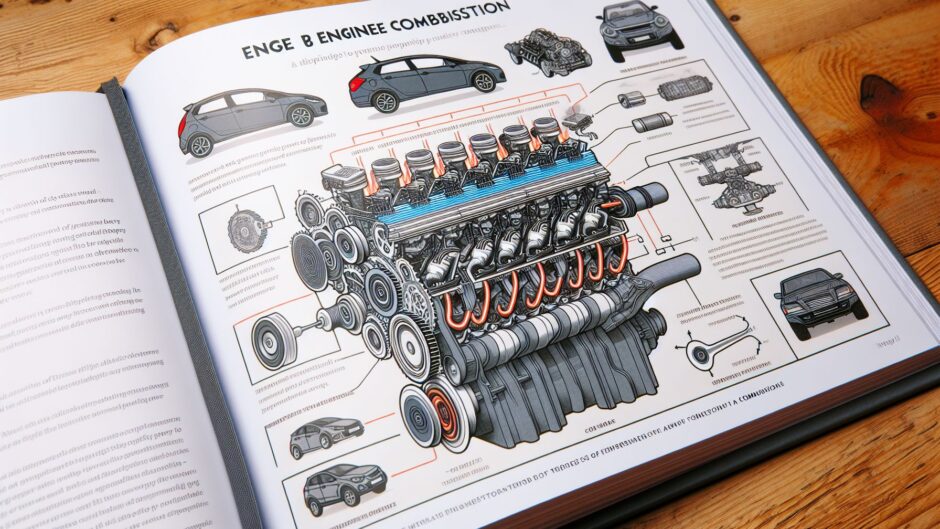
Simply put, engine combustion or internal combustion, is the process where fuel and air mix inside an engine to create a small explosion that powers the car. This is the heart of any vehicle, and knowing how it works not only enriches your understanding but can also help you troubleshoot potential problems and even enhance your ride, leading to a better, smoother driving experience.

The Magic Happens in Four Strokes

Whether your fascination lies with classic cars that have an aura of timeless elegance or you are more intrigued by modern-age beasts, the essence of their engine operation remains the same: the four-stroke combustion cycle. This process, involving intake, compression, combustion, and exhaust strokes, is what keeps your beloved machine gracefully moving down the road.

Intake Stroke: The Inception of Power

During the intake stroke, the intake valve opens, allowing a mixture of fuel and air into the cylinder as the piston moves downward. This is akin to taking a deep breath, preparing the engine for the vital work that lies ahead.

Compression Stroke: Compact and Ready

Next comes the compression stroke, where the piston moves back upwards with both valves closed, compressing the fuel-air mixture. Smaller and denser, this pressurized concoction is now primed for ignition. This is the quiet before the storm, the stored energy before the action.

Combustion Stroke: The Explosion of Energy

As the piston reaches the top of its journey, the spark plug ignites the compressed mixture. This explosion forces the piston downwards, turning the engine’s crankshaft, which eventually turns the wheels of your car. This is the moment where raw power is born and harnessed.

Exhaust Stroke: Letting Go of Residues

Finally comes the exhaust stroke. The piston rises again, the exhaust valve opens up, and the burnt gases that were the result of the explosion are expelled. This is the engine catching its breath and preparing for the next cycle.

Tuning: Fine-tuning Performance

For the adventurous souls who are passionate about getting the most out of their rides, tuning offers a promising horizon. Tuning, in a nutshell, is the process of modifying various parts of the car, including the engine combustion process, to make it more powerful, efficient, or responsive. It’s about making your car not just a vehicle, but an extension of yourself.

Conclusion

Understanding engine combustion is empowering. It brings you a step closer to mastering your vehicle and boosts your confidence, whether you’re cruising down a highway, showcasing a classic car in a car club event, or tuning your ride. Remember, a good driver is not defined by whether they are a man or a woman, but rather by their knowledge, respect for their vehicle, and their skill on the road. By wrapping your head around the mechanics of engine combustion, you’re not just leveling the playing field; you might be setting the bar for others to follow.