#The Art of Car Maintenance: A Guide for Car Lovers

When it comes to the dynamism that automobiles offer, it is imperative for car lovers to understand the art of car maintenance. As someone who adores the sputter of an engine and the throb of a well-tuned heart, it is a sacred right for you to keep your vehicle in the best possible condition.

So, let’s indulge in the specifics of car maintenance and dive into this universal vehicle language cherished by car lovers and auto clubs alike. Put on your gloves, grab your torchlight, and let’s journey together into the pivotal world of auto mechanics.

Understand your Vehicle’s Manual

Every car comes with its manual, often less-read and forgotten in the glovebox. But do not underestimate this detailed guide. The manual contains crucial information that will save you from a ton of headaches in the future: from how frequently you should change the oil, the type and quantity of oil required, the recommended tire pressure, among other vehicle details. For car lovers, this should be your first reference point and perhaps the Holy Grail to understanding your car.

Regular Oil Changes

Just like a human body requires blood to function efficiently, the car engine requires oil. And not just any oil, it has to be clean and abundant. Depending on the type of vehicle you have, oil change frequency may vary, once again, your car’s manual will provide direction here. However, as a rule of thumb, you should change your oil every 5,000 miles to ensure your engine’s longevity.

Air Filter Renewal

One component most overlooked by car lovers during maintenance is the air filter. Essential for any vehicle, they ensure only clean air enters your engine, preventing dust and grit from causing internal damage. Generally, car air filters need to be changed every 12,000 miles. Yet another example of why knowing your vehicle’s manual is essential to every car lover.

Check your Tires

Car maintenance is not just about what is under the hood. Your tires are the only part of your vehicle that makes contact with the road surface, and therefore, good tire health is essential to maximize performance and safety. Maintaining the correct tire pressure ensures efficient fuel consumption, extends the longevity of your tires, and offers optimum vehicle handling on the road.

The Strength in Auto Clubs

Joining an auto club shows an added layer of commitment to your car. Not only do these clubs provide invaluable assistance for car lovers, but they also offer a platform for sharing tips and tricks on maintaining your vehicle. Practically every city has at least one auto club, and this could be an effective way to build a network, seek advice and, most importantly, enhance knowledge in maintaining your car.

Conclusion

The art of car maintenance is undeniably important for car lovers. While it may seem like a lot of work initially, with proper understanding and regular upkeep, it becomes a labor of love, underpinning your bond with your machine.

Remember, regular maintenance ensures better performance, longevity, and safety for your dream machine. So let’s embrace it, care for our cars, and ride towards an undisturbed, smooth car journey—the very thing every car lover treasures, and cherishes.

While this guide has covered some of the basics, never forget, your car is as unique as you. Respect its individual needs, consult the manual often, join an auto club, share and gain wisdom. With the right love and care, your car can go places, and always remember — happy car, happy driver!
The Core of Your Ride: The Intricacies of Car Engines Explained

For an avid fan, there’s nothing more satisfying than the purr of a well-tuned car engine or the guttural roar of a revving throttle. Modern car engines, from those in our everyday family sedans to high-performance race cars and treasured classic cars, all operate on the same basic principles.

Introduction

The core function of the car engine is simple, convert fuel into motion. However, the execution of that simple premise involves a symphony of finely tuned parts working in harmony. An understanding of this magnificent piece of mechanical ingenuity deepens our appreciation for the wonderful beasts we drive.

The Heart of an Engine: Its Core Components

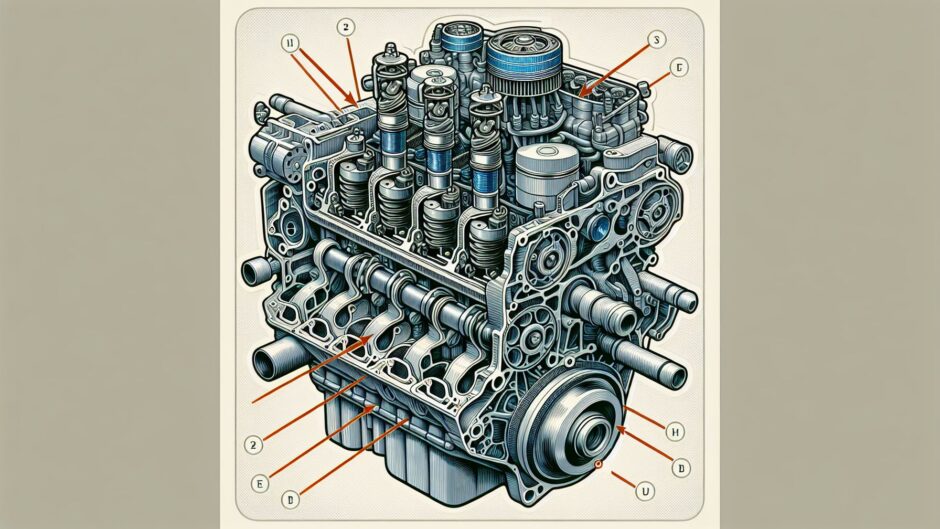
A car engine seems like a complex entity, and while there are plenty of intricate details, most engines share the same basic core components. Of course, whether you’re dealing with automotive repair or contemplating the addition of a classic car to your collection, a fundamental knowledge of these parts greatly simplifies matters.

Cylinders

Simply put, the cylinders are the power factories of the engine. Most cars have between four and eight cylinders arranged either in a straight line, known as an inline engine, or in two lines arranged in a ‘V’ or ‘flat’ configuration. Classic cars, particularly American muscle cars, may often have a V6 or V8 engine. Each cylinder houses a piston that moves up and down.

Pistons

Pistons, typically made of lightweight but robust materials, create a set of reciprocal movements inside the cylinder. As the piston moves downwards, it creates a vacuum sucking in a fuel and air mixture. On its upward stroke, the piston compresses this mixture which is then ignited, generating a mini explosion that drives the piston back down. This process is commonly known as internal combustion and is the crux of how the car engine operates.

Crankshaft

Connected to the pistons by a series of connecting rods, the crankshaft takes the pistons’ up-and-down movements and turns them into a circular motion that can then drive the wheels.

Valvetrain

The valves maintain the flow of the air and fuel mixture into and out of the cylinders. There are two sets of valves: intake and exhaust valves with the former letting the mixture in and the latter allowing the exhaust gases to leave.

How Everything Comes Together

Together, these elements create a cycle of intake, compression, combustion, and exhaust (known as the four-stroke cycle) that propel our cars forward.

  1. Intake: The piston moves down the cylinder, drawing in a fuel-air mixture.
  2. Compression: The piston moves back up, compressing the mixture.
  3. Combustion: A spark from the spark plug ignites the mixture, causing an explosion that forces the piston down and turns the crankshaft.
  4. Exhaust: The remaining gases are expelled through the exhaust valve as the piston moves back up.

The beauty of this system is its scalability; the same principles apply whether you’re dealing with a small four-cylinder engine or the powerful heart of a classic car’s V8.

Conclusion

The car engine, the heart and soul of every vehicle we drive, operates on a beautifully intricate yet understandable system. A knowledge of the four-stroke cycle and the primary components involved provides an enriched appreciation for automotive technology and the engineering marvel behind every drive.

The passion for understanding the machines we love, especially for classic cars, surpasses the practical need for automotive repair. The more we delve into the inner workings of the car engine, the more it unfolds a romance that only true admirers comprehend. Knowledge is not just power – it’s an enabler for our love and appreciation for these four-wheeled marvels! So, here’s to our unabated love for cars, and long may the engines roar.

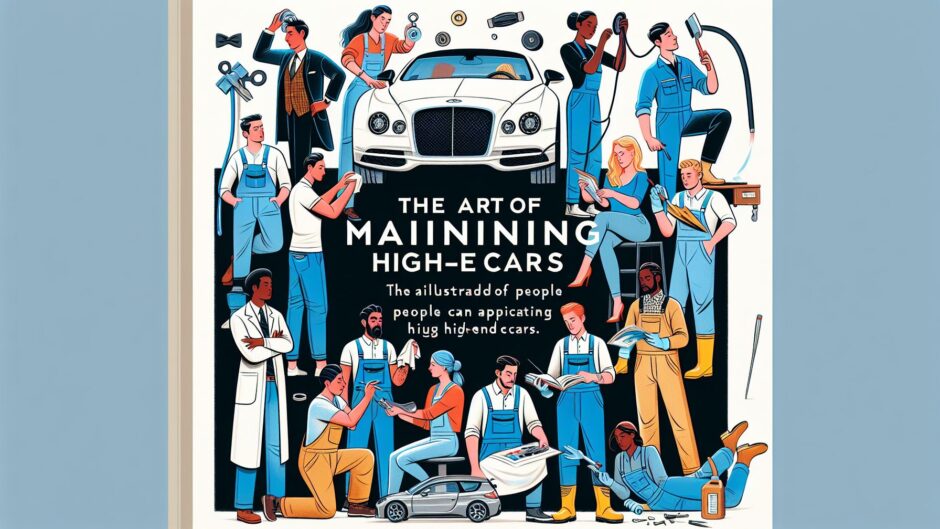
The Art of Maintaining High-End Cars: A Guide For Men

For many men, an expensive and luxurious car represents more than just a form of transportation. It’s a symbol of status, success, and a deep love for high-quality engineering and design. The careful maintenance of these prestigious vehicles is a responsibility that comes with ownership. Thus, this guide will equip you with the knowledge needed to keep your cars at peak performance.

The Importance of Regular Cleaning

Cleaning your car should go beyond just removing dirt from the outside. Extensive cleaning practices can prolong the lifespan of your car and retain its prestigious look. The types of dirt, like grime, oil, and road salt, that attach themselves to the undercarriage can lead to rusting and corrosion, which can damage the metal parts of your car. Use high-quality car washing soap, a soft cloth, and microfiber towels for drying to prevent scratches on your car’s clear coat.

Investing in professional detailing can bring immense value. Professionals can execute a thorough interior cleaning, making your car interiors look brand new. Visibility while driving is crucial, so keeping your windscreen, mirrors, and headlights clean should not be neglected.

Oil and Fluid Maintenance

Your car’s bloodline is its fluids, it’s very life source. Keeping tabs on oil levels is vital, regardless of whether your engine uses conventional, semi-synthetic, or fully synthetic oil. Make it a habit to check your car’s oil level and ensure that it’s changed timely, at least twice a year.

Transmission fluid, brake fluid, power steering fluid, and coolant are other essential fluids in your car, so these too need regular checking and appropriate top-ups. Over time, these fluids degrade, making it harder for the car to operate efficiently, leading to potential damage.

Tires and Brakes Checkup

Tires are one of the most important components of your car. Regularly monitoring your tire condition for tread depth and wear should be a part of your car’s maintenance routine. Under or over-inflated tires can cause unnecessary stress and uneven tire wear, leading to compromised vehicle safety. High-performance summer tires might be a great fit for your luxurious vehicle, but if you live in an area dealing with harsh winters, consider winter-specific tires as a safe bet.

Brakes play a vital part in road safety. Regular brake inspections should be a part of maintaining your luxurious cars. Brake pads, rotors, calipers, and brake fluid should be routinely checked.

Proper Storage

Properly storing your car can greatly increase its longevity and sustain its high-quality appearance. A well-maintained garage with fluctuation-free temperatures, low humidity, and proper ventilation is the ideal place for storing your vehicle.

A long period of inactivity can be harmful to your car’s different parts – your tires could develop flat spots, the battery could discharge, and the oil could settle. Occasional, gentle drives can prevent these issues. A car cover can protect your car from dust and other potential damages.

Just like any high-quality product, luxury and performance cars require the best possible care to maintain their luster and performance. Whether you own a classic Ferrari, an elegant Bentley, or a high-performance Bugatti, the experience of owning a luxury car should always be extraordinary. From the proper cleaning to careful storage, the maintenance of these cars can be a fulfilling hobby for those who enjoy the rich combinations of design, performance, and history that they represent.

In conclusion, while high-end cars come with a greater investment, they also offer an unrivaled driving experience. This makes the time, effort and resources, spent for their maintenance more than worthwhile. When it comes to car maintenance, being proactive instead of reactive is the key. Thus, any signs of irregularities should be promptly checked by a professional, to ensure that your majestic machines remain in pristine condition for the longest time.

Your First Journey into the World of Car Maintenance: Changing Your Car’s Oil

Hey there, young drivers! Not long ago, you took the epic journey from the passenger’s seat to behind the wheel. You’ve aced your driver’s test, and now you experience the freedom of cruising the open roads in your precious vehicle. However, as Marvel’s Uncle Ben said, “with great power comes a great responsibility.” Part of driving responsibly means ensuring your car is in top condition.

While some car maintenance requires the expertise of a mechanic, others, like an oil change, can be a DIY project. Change your car’s oil? Yes, you! And not just for the sake of learning, but also to better appreciate the heartbeat of your friction machine.

A Glimpse into the Heart of Your Four-wheeler

Your car’s engine is like the heart of your car, and the oil is its lifeblood. Oil ensures that the engine’s various parts run smoothly without overheating. Over time though, this oil can get dirty and become less effective, which is why regular oil changes are crucial to keeping your car on the road.

Every time you drive your darling vehicle, you’re taking a journey that car collectors and classic car enthusiasts embark on with joy. These enthusiasts relish the opportunity to get under the hood of their priceless possessions, and they know that regular oil changes are key to maintaining their treasures.

Let’s Get Our Hands Dirty

So are you ready to channel your inner car collector and tackle this task? Great! And, no worries, we’ll guide you through every step:

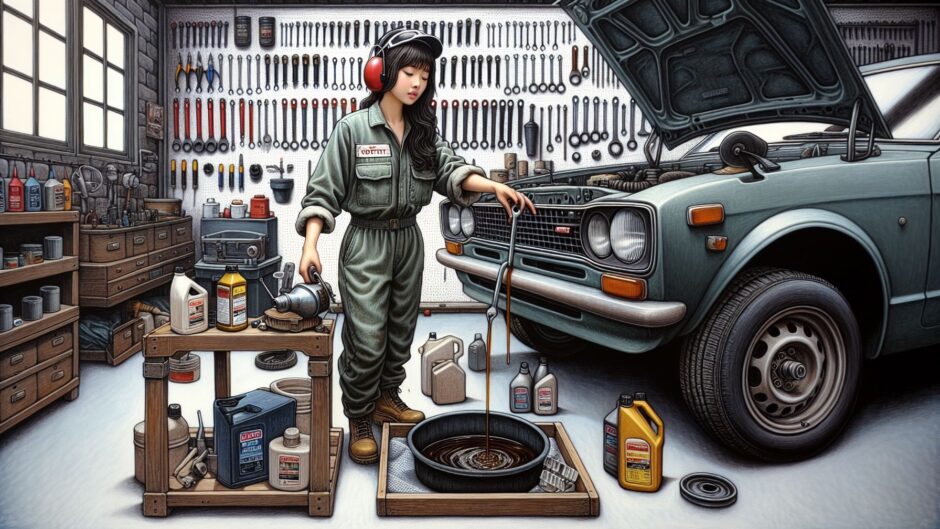
  1. You’re Going Shopping: Before you begin, make sure you have the correct motor oil, a new oil filter, an oil filter wrench, a socket set, an oil drain pan and some gloves. With these in your hands, you’ll feel less like a teen and more like a certified mechanic.

  2. Jack It Up: With your car parked on a flat surface, use the jack to lift the front side of your vehicle. This will give you plenty of room to work.

  3. Drain Out the Old: Under your car, you’ll find a drain plug. Put on your gloves, use your socket set to unscrew it, let the old oil drain out into the pan. Remember, exposure to used engine oil can be harmful. So, ensure you are suited up in old clothes and sturdy gloves

  4. Brand-New Filter: Before installing your new oil filter, it’s recommended to lubricate the new filter’s gasket with the new oil. It ensures a flawless seal for the filter.

  5. Fill Her Up: With the new oil filter in place and the drain plug secured, you can now add the new oil. Most cars will require around 4-5 quarts, but it’s best to check your vehicle’s manual for precise quantities.

Job Done! Till Next Time…

There you go, you’ve just successfully changed your car’s oil; a perfect first step on your journey in DIY car maintenance. Remember, even if your hands are a bit greasy, you’ve just done something that every respected car collector and classic car owner proudly does to maintain their beloved vehicles.

Not only has this saved you a trip to the garage but also you’ve gained a better understanding of your vehicle, just like any car enthusiast would dream of. So, get behind the wheel, start the engine, and take a drive. You’re not just a regular teen anymore; you are shaping up to be a responsible driver, equipped with essential car-keeping skills.

And before you head off to your next destination, remember to dispose of your used motor oil properly. Take it down to your local auto parts store or recycling center. Doing minor car maintenance like this doesn’t just make you a car owner; it makes you a car caretaker. Now carry on, and drive safe!

#Engine Combustion: The Heart of Your Beloved Vehicle

Hello, fellow car aficionados! Another journey on the blissful roads of automotive passion begins today. Let’s lift the hood and dive under the surface to understand the wondrous dance of power that takes place each time we turn our keys in the ignition: engine combustion.

The Hub of Power

Any car collector worth their salt recognizes the beating heart within every beloved vehicle – its engine. However, few truly comprehend the intricate process of combustion that endows their precious four-wheeled friends with life.

Undoubtedly, the engine is more than a collection of metal parts; it is an orchestration of precise design and science. The principle it operates upon is simple: converting fuel into motion. But the real magic, dear collectors, lies in the power-packed performance of the internal combustion engine, the dominant power-generating miracle in most cars.

The Process Unveiled

The four-phase sequence in internal combustion engines, known as the four-stroke cycle – intake, compression, combustion, and exhaust – initiates our journey of exploration.

Intake Stroke:

The dance begins as the piston moves down the cylinder, drawing a mixture of fuel and air into the engine through an opened intake valve in a process known as the intake stroke. It’s the moment of invitation, akin to our beloved wheels inviting us toward the open road, full of adventure.

Compression Stroke:

Next, the piston moves upwards, compressing the fuel-air mixture against a closed intake valve. This is the compression stroke, where potential energy builds up, like excitement in a collector’s heart while carefully restoring a classic beauty to her former glory.

Combustion Stroke:

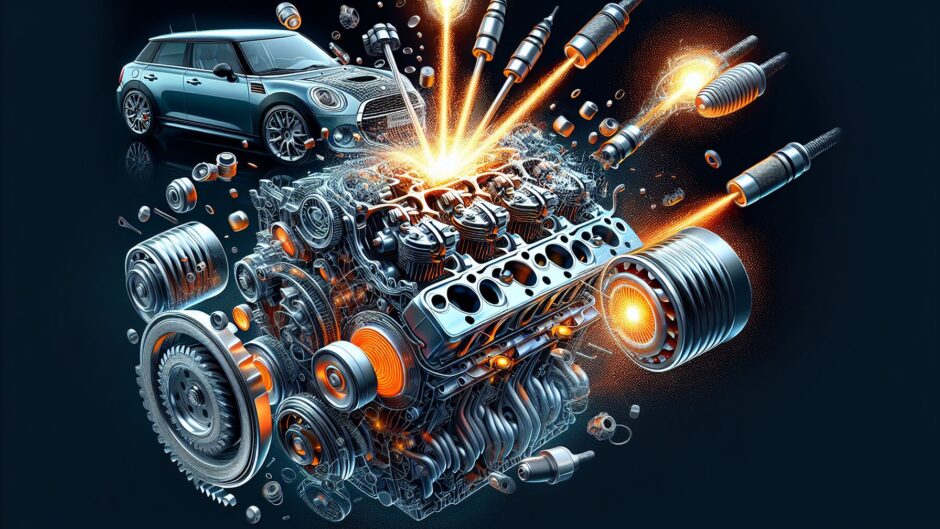
As compression nears its peak, a spark from the spark plug ignites the highly compressed mixture, resulting in an explosion. This force thrusts the piston downward, generating the power to turn the engine’s crankshaft. This is the combustion or power stroke, the exhilarating rush of hitting the gas and feeling the raw power beneath you.

Exhaust Stroke:

Finally, the exhaust valves open, and the upward-moving piston releases the spent fuel-air mixture from the cylinder. This phase, the exhaust stroke, is like the satisfied sigh of a car enthusiast after a successful day at a car show.

This four-stroke ballet is incessantly repeated, allowing your car to sprint along highways, scale hills, or simply carry you on your everyday errands.

The Elegance beneath the Hood

Mechanical power from engine combustion enables us to control our cars with a flick of the wrist or a nudge of the foot. We, as collectors, aren’t just interested in the shimmering body paint or the custom leather seats; we want to understand the beast that rumbles beneath the bonnet. The raw, contained power of engine combustion is the central symphony that adds rhythm to our travels.

It’s important to note that engine combustion, while potent and beautiful in its own right, does have some environmental effects. Identifying cleaner, more efficient combustion processes are on the priority list of numerous engineers and auto manufacturers —an exciting avenue for us to watch out for in the world of automotive development!

The Curtain Falls

There you have it, fellow collectors: the heart of your prized possession laid bare. Engine combustion, in its simple elegance, is undeniably the soul of each car. So, the next time you press the accelerator or navigate a curve, remember the marvelous four-stroke dance happening under the hood, tirelessly powering your journey. It’s just another reason to cherish our magnificent machines even more. Enjoy your ride!

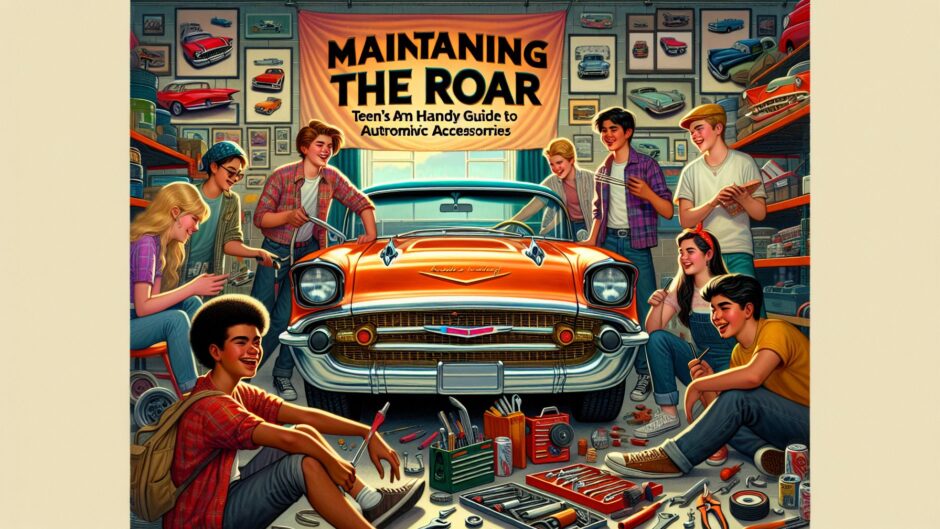
Maintaining the Roar: A Teen’s Handy Guide to Classic Cars and Automotive Accessories

A car is more than just a mode of transportation—it’s an emblem of freedom and independence, values that resonate even more for teenagers. But what if the car in question is a classic? What are the maintenance requirements, and how can you make use of automotive accessories to make this valuable piece of machinery keep its charm?

Better hold onto your seat belts, because this post will guide teenage car owners through the basics of maintaining a classic car.

Classic Cars and Their Needs

Classic cars, like any distinct pieces of machinery, have particular needs. Firstly, because they’re older, they need more attention in terms of maintenance and care. This does not simply mean just emotional connection, but physical acts of devotion: staying on top of oil changes, brake checks, tire checks, and maintaining fluid levels as needed. Regular use of the vehicle is also key. Cars that go unused may develop issues like rusting or deteriorating seals, threatening their performance over time.

Secondly, these cars often require special types of fuel or oil not typically required by contemporary vehicles, which means regular trips to specialty stores or service centers may be necessary.

Lastly, classic cars often have unique handling or performance characteristics due to their age. To help you manage these nuances, it’s wise to consult with a specialist or join a classic car club to share experiences and advice with other owners.

Automotive Accessories: A Helping Hand

Don’t be intimidated, though—the world of automotive accessories is an ally in your car maintenance journey. Understanding your vehicle’s needs and garnishing it with suitable accessories can work wonders and prolong your car’s lifespan.

Battery chargers and maintainers, for example, can help keep your vehicle’s battery in top condition, especially if you don’t drive your classic car regularly. Similarly, it’s worth investing in high-quality car covers to protect your automobile’s paintwork and interior from the elements when not in use.

Another aspect is tire maintenance. Tires lose pressure over time, and under-inflated tires can harm fuel economy, tire life, and vehicle performance. A digital tire pressure gauge is a perfect addition to your toolkit—it provides a quick and accurate reading of your tires’ health.

Furthermore, consider a car vacuum cleaner. Classic cars tend to be dust magnets and a good quality car vacuum cleaner can keep your classic car’s interior looking its best.

To maintain the vintage look and current performance, use car wax, polish and cleaning products designed specifically for classic cars. A regular cleaning regimen can help safeguard your vehicle’s shine and make it a head-turner even after decades on the road.

Conclusion: A Labor of Love

Maintaining a classic car might demand a little extra time and financial investment, but for the love of the machine and thrill of the drive, it’s worth every penny and every moment spent.

Whether you are an enthusiast wanting to cruise around in style or a speed-hungry teen raring to relive the era of raw power, remember that the journey is as important as the destination.

So roll up your sleeves, grab your toolkit, and live up to the joy of being the proud owner of a classic car. As you navigate the exciting trip of classic car ownership, remember that with regular maintenance, the right automotive accessories, and a dollop of devotion, you’re on the fast track to impressed friends and envious neighbors.

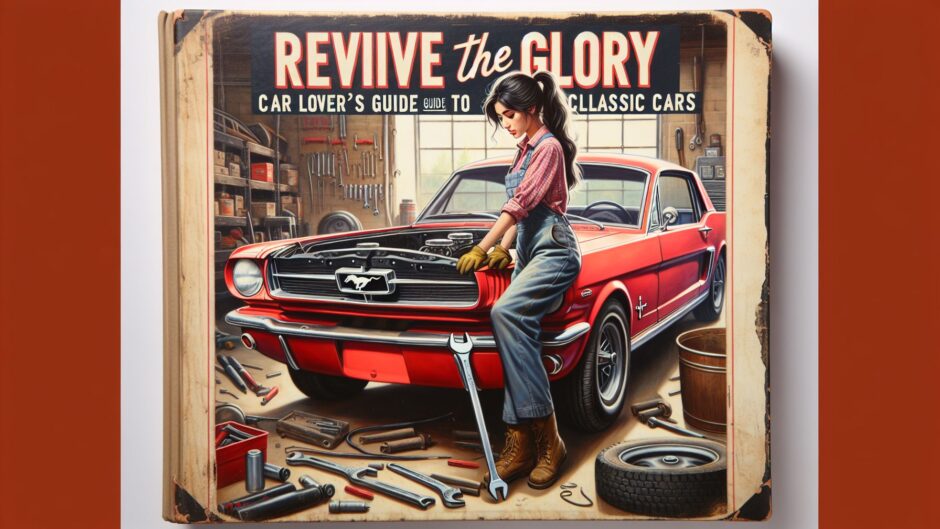
Revive the Glory: A Car Lover’s Guide to Restoring Classic Cars

If the purr of a classic engine ignites your soul, applauds your passion, and sways your car lover’s heart, then you’ve landed on the right blog post! We are about to embark on a gratifying journey, as we delve into the art of restoring classic cars, an endeavor that will take you back in time while tempting your modernistic expressive style.

Finding Your Vintage Treasure

Step one for your classic car restoration is to put on your Indiana Jones hat and go hunting for your vintage treasure. Whether that be a 1963 Corvette Stingray or a prestigious 1959 Cadillac Eldorado, remember, every classic car holds a tale waiting to be unearthed. Check out online car reviews, attend car shows, cruise local garages or ask fellow car enthusiasts to assist in finding your dream ride.

Unveiling the Value

Before you start, taking time to research and inspect your chosen classic is critical as it can save you from potential pit-holes. Have a mechanic inspect the car for rust, structural weakness, and potential mechanical pitfalls. With some classics, finding spare parts can be a daunting task, so check periodically the availability and prices for parts of your chosen car.

Roll Up those Sleeves

At this point, you are ready to clear out your garage and prepare yourself to put in some serious hours and get your hands dirty. A detailed plan will be your roadmap here. This should include listing the necessary tasks in order, clearly identifying which tasks you can do and which you’ll need a professional’s help. And, above all, setting a realistic timeline and budget.

Let’s Start from the Inside Out

Car restoration is not about slapping on new paint; it’s about reviving every inch of the classic back to its former glory. To create a truly vintage look and feel, start by restoring the engine, internal mechanical parts, and the metal body before treating the car to a glossy new paint job. You will need some specific tools for this phase, like a good set of screwdrivers, wrenches, a reliable pressure washer, and a jack and stands.

The Heartbeat of the Classic: The Engine

The most gratifying part of the classic car restoration journey is hearing your classic car’s engine roar back to life. The engine is the heartbeat of your classic, so it’s important to give it the attention it deserves. You might need to rebuild or replace the engine, or a good tune-up might bring it back to life. Regardless, a professional mechanic should do this task unless you are one. Read engine rebuild or replacement car reviews before deciding on anything.

Dressing up the Classic

The last phase is to take care of the exterior and detailing, which require a fair amount of skill and patience. Evaluate the condition of the seats, dashboard, upholstery, mats, lights, and instruments like the speedometer and fuel gauge. Seek professional assistance if handling fragile parts feel intimidating.

Drive with Pride

All that’s left is to hit the road and let everyone admire the fruit of your labor. Remember, these classics are not meant for long road trips or high-speed cruising anymore but short, sweet rides that let you bask in the glory of the past.

Conclusion

So, fellow car enthusiasts, get ready to embark on a journey that you’ll always cherish. Restoring a classic car is like walking down memory lane, not just in terms of the car, but the devoted hours spent and memories created in that garage. It requires patience, research, investment, and heart. But, oh boy, the satisfaction of driving your classic car after all the blood, sweat, and grease, is a feeling that’s truly invincible!

The Art of Collecting Cars: A Passion for Car Enthusiasts

Collecting cars is more than just a hobby – it’s a passion that drives enthusiasts to seek out rare and unique vehicles to add to their collection. For those who have a love for classic cars, joining car clubs and engaging in car modifications are all part of the experience. In this blog post, we will explore the world of car collecting and what makes it so appealing to enthusiasts.

Car clubs play a significant role in the world of car collecting. These clubs bring together like-minded individuals who share a common interest in specific types of cars, whether they be classic muscle cars, vintage sports cars, or exotic supercars. Being part of a car club allows enthusiasts to connect with others who share their passion, attend car shows and events, and even participate in group drives. It’s a great way to not only showcase your collection but also to learn from others and expand your knowledge of cars.

One of the most exciting aspects of collecting cars is the opportunity to own and restore classic cars. Classic cars have a timeless appeal that can transport us back to a bygone era of automotive design and craftsmanship. Whether it’s a sleek 1960s Ford Mustang or a rugged 1970s Chevrolet Camaro, classic cars have a charm that is hard to resist. Many enthusiasts take on the challenge of restoring these vintage vehicles to their former glory, whether it be through original restoration or custom modifications. The thrill of bringing a classic car back to life and showcasing it at car shows is a rewarding experience for any collector.

Car modifications are another essential aspect of car collecting for enthusiasts who want to personalize their vehicles and make them stand out from the crowd. From custom paint jobs and body kits to performance upgrades and engine swaps, car modifications allow collectors to put their own unique stamp on their cars. Whether it’s adding a supercharger to boost horsepower or installing a new exhaust system for a throatier exhaust note, the possibilities for customization are endless. Car enthusiasts take pride in their modified vehicles and enjoy showing them off to others who share their appreciation for custom cars.

In conclusion, collecting cars is a passion that brings together enthusiasts from all walks of life. Whether you’re a fan of classic cars, a member of a car club, or someone who loves to tinker with car modifications, there’s something in the world of car collecting for everyone. The thrill of discovering a rare find, the satisfaction of restoring a vintage gem, and the creativity of customizing a vehicle to your liking are just a few of the reasons why car collecting is so appealing. So if you have a love for cars and a desire to build your own collection, why not dive into the world of car collecting and see where it takes you?

The Timeless Passion of Car Collections

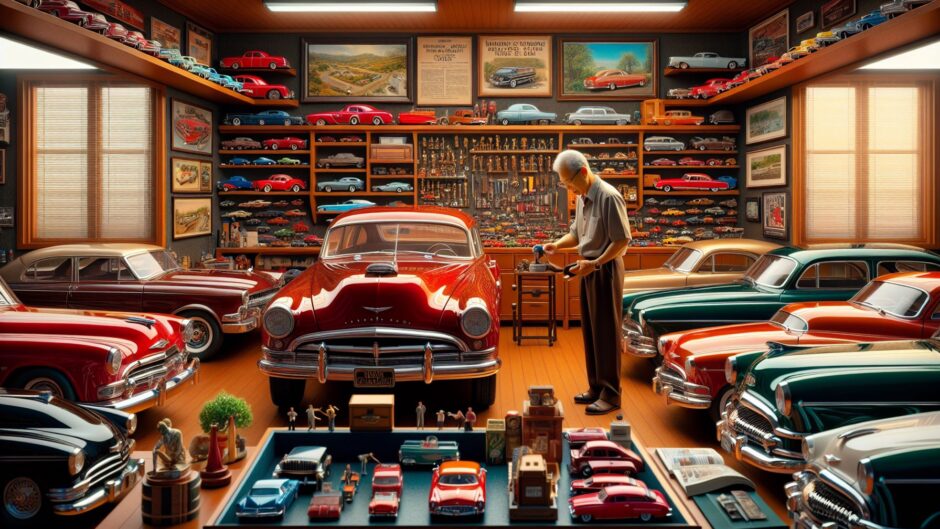
For car collectors, the thrill of acquiring a new classic car is unparalleled. It is not just about owning a piece of automotive history, but about preserving and cherishing something that represents a bygone era of craftsmanship and design. Car collections are a testament to the dedication and passion of individuals who appreciate the artistry and innovation of classic cars.

A car collection is more than just a display of valuable vehicles; it is a reflection of the collector’s personal tastes and interests. Each car in a collection tells a story, whether it is a rare vintage model or a beloved classic that evokes memories of a bygone era. For car enthusiasts, the joy of adding a new car to their collection is akin to acquiring a piece of art or a rare artifact.

The process of building a car collection is a labor of love that requires time, effort, and resources. Car collectors often spend years scouring auction houses, classic car shows, and private sales to find the perfect addition to their collection. They meticulously research the history and provenance of each car, ensuring that it meets their standards of authenticity and quality.

In addition to the thrill of acquiring new cars, car collectors also take great pride in maintaining and caring for their existing collection. Classic cars require regular maintenance and upkeep to preserve their beauty and functionality. Car collectors often invest in specialized tools, equipment, and expertise to ensure that their cars remain in pristine condition.

Car collections are not just a hobby for enthusiasts; they are also a form of cultural preservation. Classic cars represent a unique blend of design, engineering, and history that is worth celebrating and preserving for future generations. By collecting and showcasing these timeless vehicles, car collectors help to ensure that their legacy lives on for years to come.

The act of collecting classic cars is a deeply personal and enriching experience for enthusiasts. It allows them to connect with the past, appreciate the present, and look forward to the future. Each car in a collection is a milestone, a memory, and a testament to the passion and dedication of its owner.

In conclusion, car collections are a labor of love that brings together enthusiasts from all walks of life. Whether it is a rare vintage model or a beloved classic, each car in a collection is a treasure that represents a bygone era of craftsmanship and design. For car collectors, the joy of acquiring, maintaining, and showcasing these timeless vehicles is a rewarding and fulfilling experience that transcends mere ownership. It is a celebration of artistry, innovation, and history that will continue to inspire and captivate generations to come.

How Engine Combustion Works: A Fuel-Powered Symphony Underneath the Hood

Have you ever wondered what goes on underneath the hood of your car when you press the ignition button? It’s like a well-orchestrated symphony of fuel, air, and ignition working together seamlessly to power your vehicle’s engine. In this article, we’ll delve into the fascinating world of engine combustion and unravel the mysteries of how it all comes together to make your car run smoothly.

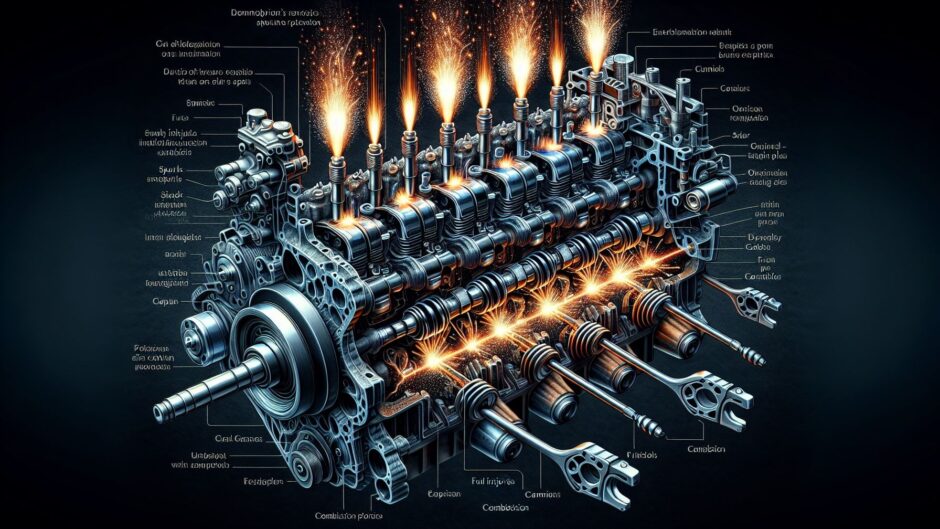
At the heart of every combustion engine lies a process called combustion, where a mixture of fuel and air is ignited to produce the energy needed to power your car. This process may seem simple on the surface, but it’s actually a complex dance of precision timing and controlled explosions that enable your car to move effortlessly down the road.

Imagine a custom-built sports car revving up its engine, ready to unleash its full potential on the open road. As the driver presses the gas pedal, fuel is injected into the combustion chamber along with a precise amount of air. This mixture is then compressed by the piston, creating a highly volatile environment that is just waiting to explode.

When the spark plug ignites the fuel-air mixture at the perfect moment, a controlled explosion occurs, pushing the piston down and driving the crankshaft, which ultimately propels the car forward. This chain reaction of explosions happens hundreds of times per minute, powering your car and giving it the acceleration it needs to tackle any road ahead.

Just like how a finely-tuned engine can make a car run like a dream, the process of engine combustion relies on precision timing and careful calibration to ensure that everything runs smoothly. Any misstep in this process can lead to inefficiencies, decreased performance, or even engine damage.

In the world of car reviews, experts often praise vehicles with advanced engine technology that maximizes fuel efficiency and power output. Cars with direct injection systems, turbochargers, and variable valve timing mechanisms are lauded for their ability to optimize the combustion process and deliver superior performance on the road.

Custom cars, with their modified engines and aftermarket components, take the concept of engine combustion to a whole new level. Enthusiasts and gearheads alike tinker with their engines to fine-tune every aspect of the combustion process, from air intake to exhaust flow, in search of that perfect balance of power and efficiency.

As we marvel at the incredible feats of engineering that power our cars, it’s important to remember that engine combustion is not just about raw power and speed, but also about efficiency and sustainability. Modern engines are designed to meet stringent emissions standards while still delivering the performance that drivers crave.

In conclusion, engine combustion is a fascinating process that powers our cars and fuels our passion for the open road. From the rhythmic explosions within the combustion chamber to the seamless integration of fuel, air, and ignition, every aspect of this process is finely tuned to deliver the driving experience we all know and love. So the next time you hear the roar of an engine revving up, take a moment to appreciate the intricate dance of combustion happening underneath the hood.