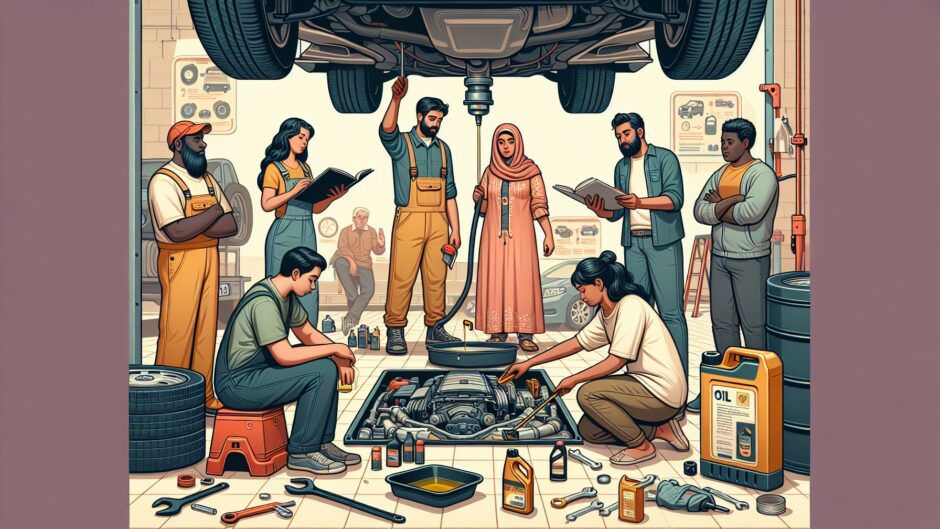
Changing the oil in a car is a routine maintenance task that is essential for keeping the engine running smoothly and efficiently. As a professional in the automotive repair industry, it is important to understand the proper steps involved in changing oil to ensure the longevity of your customer’s vehicle. In this guide, we will walk you through the process of changing oil on a car in a clear and educational tone.
Step 1: Gather the Necessary Tools and Materials
Before you begin changing the oil on a car, make sure you have all the necessary tools and materials on hand. This includes:
– A socket wrench
– Oil filter wrench
– Oil drain pan
– Funnel
– New oil filter
– New motor oil
– Shop towels or rags
Step 2: Prepare the Car
Park the car on a level surface and allow the engine to cool down. It is best to change the oil when the engine is slightly warm as it will allow the oil to flow more easily. Make sure the car is securely parked and the parking brake is engaged.
Step 3: Drain the Old Oil
Locate the oil drain plug underneath the car and place the oil drain pan underneath it. Use the socket wrench to loosen the drain plug and allow the old oil to drain completely. Be sure to properly dispose of the old oil in accordance with environmental regulations.
Step 4: Replace the Oil Filter
Using the oil filter wrench, remove the old oil filter from the engine. Be sure to clean the area around the filter before installing the new one. Apply a small amount of new oil to the gasket of the new filter before screwing it into place.
Step 5: Add New Oil
Using a funnel, carefully pour the new motor oil into the engine. Be sure to check the owner’s manual for the correct type and amount of oil needed for the specific car model. Once the oil has been added, replace the oil cap and start the engine to allow the oil to circulate.
Step 6: Check the Oil Level
After allowing the engine to run for a few minutes, turn off the engine and check the oil level using the dipstick. Add more oil if necessary to bring it to the correct level. Be sure to double-check for any leaks around the oil filter and drain plug.
Step 7: Dispose of Old Oil and Cleanup
Dispose of the old oil and filter in a proper manner, such as taking it to a recycling center or hazardous waste disposal facility. Clean up any spilled oil using shop towels or rags to prevent environmental contamination.
In conclusion, changing oil on a car is a basic maintenance task that should be performed regularly to ensure the optimal performance of the engine. By following the steps outlined in this guide, you can confidently change oil on a car in a professional and efficient manner. Remember to always refer to the owner’s manual for specific instructions and guidelines and to prioritize safety throughout the process.