What Are Top Automotive Garage Door Repair Services?

Top Automotive Garage Door Repair

In an accelerated world where timing is quintessential, your garage door’s flawless operation becomes vital beyond what you could imagine. To both homeowners and entrepreneurs alike, a fully functioning garage door is the cornerstone of preserving both security and productivity. What transpires, though, when this imperative property component falters? That’s when premier automotive garage door repair services bring their crucial role to the fore. Let’s delve into what these services comprise and their indispensable nature for securing your property.

The Significance of Trustworthy Garage Door Operation

Before we plunge into the services themselves, comprehending the ramifications of a diligently maintained garage door is profoundly essential. To homeowners, a defective garage door not only poses a security threat but also serves as a significant inconvenience. As for business proprietors, particularly those in the automotive sector, a faulty garage door could impede operations, instigate revenue loss, and tarnish reputations. Thus, employing services such as Top Service Garage Door Repair isn’t just commendable—it’s imperative.

In-Depth Diagnostic Assistance

Leading automotive garage door repair services emanate from an exhaustive diagnostic examination. Skilled technicians utilize avant-garde tools to gauge the health of your garage door apparatus. Inspecting the balance, alignment, and wear on components like springs, chords, and rollers is inclusive of this. These diagnostics curtail minor issues from snowballing into exorbitant repairs by identifying potential problems at an earlier stage.

24/7 Emergency Repair Proficiency

Garage doors can falter at highly inopportune moments. Top-of-the-line repair services propose 24/7 emergency repair alternatives, endowing tranquility for homeowners and businesses alike. This implies that expert aid is a mere phone-call away, irrespective of when the issue arises. Swift response teams guarantee minimal disruption and rapidly restore security.

Proactive Maintenance Endeavors

The embodiment of high-ranking garage door services is their dedication to proactive maintenance. Regular check-ups, typically slated bi-annually, are devised to extend your garage door system’s lifespan. Preventive strategies encompass lubricating moving components, tightening hardware, and adjusting spring tension. This proactive methodology not only amplifies performance but also lowers the chance of unforeseen failures.

Tailoring and Enhancement Options

In the epoch of technological advancement, customization becomes paramount. The finest garage door repair services offer improvements to boost functionality, productivity, and security. Whether it involves integrating smart garage door openers or incorporating insulated doors to augment energy efficiency, these services mold solutions to accommodate individual needs. Customization ensures your garage door system evolves in tandem with your requirements, maximizing investment returns.

Enlightening and Empowering Patrons

In conclusion, exceptional garage door services put client enlightenment at the forefront. They equip homeowners and business owners with insights into daily maintenance practices that can preempt common issues. Knowledgeable technicians impart advice on operations, such as manually operating a garage door during power cuts or identifying early signs of wear. This educational approach instills empowerment and decreases reliance on professional services for minor issues.In essence, automotive garage door repair services provide indispensable support for upholding the security, productivity, and longevity of your garage door apparatus. From thorough diagnostics and emergency fix-ups to preventive upkeep and client enlightenment, these services offer priceless resources for homeowners and entrepreneurs alike. Investing in high-grade repair services not only defends your property but also enhances its value and functionality. For those dedicated to preserving a secure and efficient environment, engaging with expert garage door repair professionals is a decision that accrues returns in the long haul.

We Offer Top Service Garage Door Repair in these Areas:

Garage Door Repairs in South Florida
Garage Door Repair in Weston, Florida
Garage Door Repair in Palm Beach County
Garage Door Repair in Delray Beach, Florida
Garage Door Repair in Pompano Beach, Florida
Garage Door Repair in Pembroke Pines, Florida
How Engine Combustion Works: A Guide for Car Owners

As a car owner, it’s important to have a basic understanding of how your vehicle’s engine works. One crucial aspect of engine operation is combustion, the process that powers your car and keeps it running smoothly. In this article, we’ll explore how engine combustion works in a way that’s easy to understand, so you can appreciate the inner workings of your vehicle.

The Basics of Engine Combustion

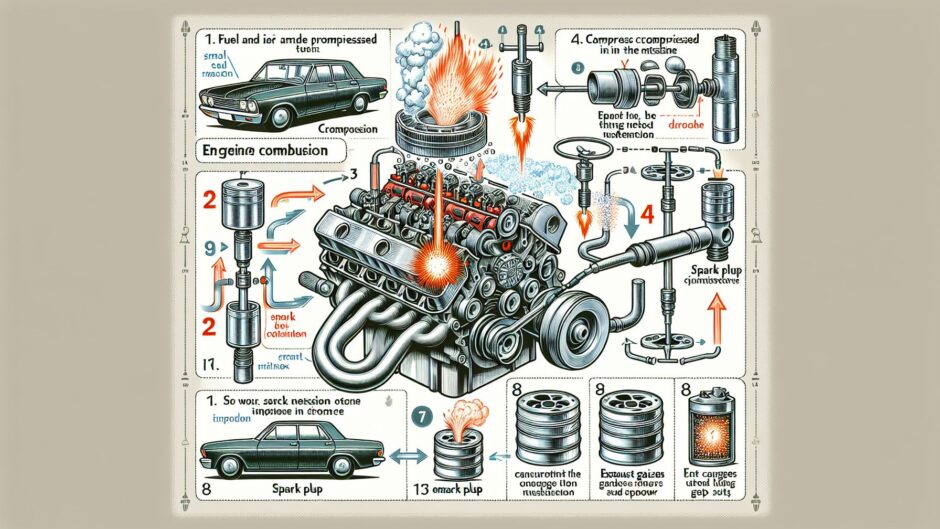
Engine combustion is the process of burning fuel to create the energy needed to power your car. In most vehicles, this combustion occurs in a series of small, controlled explosions within the engine cylinders. These explosions are orchestrated by spark plugs, which ignite a mixture of fuel and air to generate power.

When you start your car, the fuel pump sends gasoline from the tank to the engine, where it mixes with air in the combustion chamber. The spark plugs then create a spark that ignites this mixture, causing a controlled explosion. This explosion pushes the piston down, which in turn rotates the crankshaft and ultimately propels your car forward.

Importance of Proper Combustion

For your engine to run efficiently, it’s essential that combustion occurs at the right time and in the right way. If combustion is off, you may notice issues like decreased fuel efficiency, rough idling, or a lack of power. To ensure optimal combustion, it’s crucial to keep up with regular maintenance, including replacing spark plugs, fuel filters, and air filters as needed.

In addition to regular maintenance, using high-quality fuel and oil can also help improve combustion in your engine. Clean fuel and oil can prevent build-up in the combustion chamber and ensure that the spark plugs can ignite the fuel-air mixture effectively.

Understanding Combustion Cycles

Engine combustion typically occurs in four distinct stages, known as the intake, compression, power, and exhaust strokes. During the intake stroke, the piston moves down, drawing a mixture of air and fuel into the cylinder. In the compression stroke, the piston moves back up, compressing the mixture to create a more potent explosion.

The power stroke is where combustion takes place, with the spark plugs igniting the compressed fuel-air mixture to generate power. Finally, the exhaust stroke expels the leftover gases from the combustion process through the exhaust system. Understanding these four strokes can give you insight into how your engine operates and help you diagnose any potential issues that may arise.

Conclusion

Engine combustion is a complex yet essential process that keeps your car running smoothly. By understanding the basics of combustion and how it powers your vehicle, you can better appreciate the intricacies of your engine. Remember to prioritize regular maintenance and quality fuel to ensure optimal combustion and keep your car in top condition.

Next time you hit the road, take a moment to appreciate the marvel of engine combustion and the role it plays in getting you from point A to point B. Your car’s engine may be a complex machine, but with a bit of knowledge and care, you can keep it running smoothly for years to come. Happy driving!

Gas vs. Diesel Fuel: What Professionals Need to Know

As a professional in the automotive industry, understanding the differences between gas and diesel fuel is essential to providing top-notch service to your clients. While both options are commonly used in vehicles, there are some key distinctions that can impact performance, maintenance, and ultimately, customer satisfaction. Let’s dive into the exciting world of gas and diesel fuel to see what sets them apart.

Gasoline: The Classic Choice

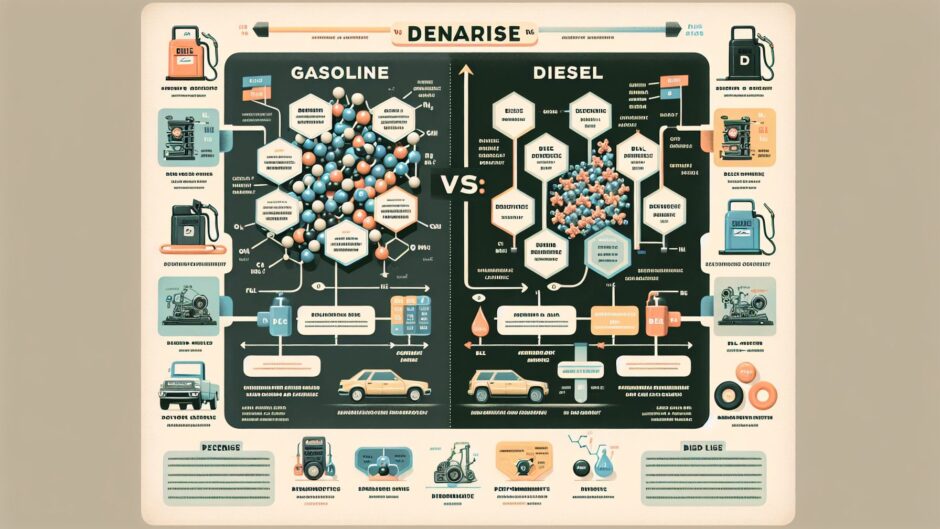
Gasoline has long been the fuel of choice for most consumers, thanks to its widespread availability and relatively low cost. Most passenger cars and light-duty trucks run on gasoline, making it the go-to option for daily commuters and weekend warriors alike. Gasoline engines are known for their smooth and quiet operation, as well as their quick acceleration and responsive handling.

Car reviews often highlight the benefits of gasoline engines, praising their reliability and ease of maintenance. However, some professional mechanics may find themselves performing more frequent tune-ups and oil changes on gasoline-powered vehicles compared to diesel engines. While these routine tasks may add up over time, the overall cost of gasoline fuel is typically lower than diesel, making it a popular choice for budget-conscious drivers.

Diesel: A Powerful Alternative

On the other hand, diesel fuel is known for its efficiency and torque, making it the preferred option for heavy-duty trucks, commercial vehicles, and towing applications. Diesel engines are renowned for their durability and longevity, with many drivers racking up hundreds of thousands of miles on their diesel-powered vehicles without major issues. Automotive repair experts often praise diesel engines for their robust construction and ability to handle heavy loads with ease.

Car reviews often highlight the impressive towing capacity and fuel efficiency of diesel trucks, making them a top choice for those who require maximum performance and reliability. While diesel fuel may be more expensive than gasoline, the higher energy content of diesel means that drivers can often achieve better mileage, potentially offsetting the cost difference over time.

The Verdict: Choosing the Right Fuel for Your Clients

When it comes to selecting the best fuel for your clients, it’s essential to consider their specific needs and preferences. Gasoline may be the most common choice for everyday drivers, offering a balance of performance, affordability, and ease of maintenance. On the other hand, diesel fuel is ideal for those who prioritize towing power, fuel efficiency, and long-term durability.

Whether you’re performing routine maintenance, diagnosing engine issues, or recommending fuel options to your clients, having a solid understanding of the differences between gas and diesel fuel can set you apart as a knowledgeable and trusted professional. By staying up-to-date on the latest car reviews, automotive trends, and repair techniques, you can deliver top-quality service that keeps your clients coming back for more.

In conclusion, the choice between gas and diesel fuel ultimately comes down to the specific needs and preferences of your clients. As a seasoned professional in the automotive industry, it’s up to you to provide expert guidance and recommendations that help your clients make the best decision for their vehicles. With your expertise and dedication to excellence, you can ensure that every client drives away satisfied and confident in their choice of fuel.

The Importance of Regular Maintenance for Professional Motorists

As a professional in the automotive industry, you understand the critical role that proper car maintenance plays in keeping vehicles on the road and ensuring the safety of motorists. Whether you are a mechanic, fleet manager, or automotive technician, it is essential to emphasize the importance of regular maintenance to your clients and customers. Neglecting routine maintenance can lead to costly repairs, breakdowns, and even accidents, putting both the driver and others on the road at risk.

Regular maintenance is not just about changing the oil or rotating the tires; it involves a comprehensive approach to caring for a vehicle to ensure its longevity and performance. By following a consistent maintenance schedule, professionals can catch potential issues early on, saving both time and money in the long run. Additionally, regular maintenance can help maintain the value of a vehicle and keep it running smoothly for years to come.

One of the most critical aspects of car maintenance is preventative maintenance. This includes routine inspections, fluid checks, and part replacements to prevent larger problems from occurring. By staying ahead of potential issues, professionals can avoid costly repairs and downtime that can disrupt their work. Encouraging clients to invest in preventative maintenance can help them avoid breakdowns and keep their vehicles in top condition.

Another important aspect of car maintenance is staying up-to-date on manufacturer recommendations and guidelines. Different vehicles have different maintenance requirements based on their make and model, so it is essential to follow specific guidelines for each vehicle. By adhering to manufacturer recommendations, professionals can ensure that their vehicles are maintained correctly and avoid any potential warranty issues.

In addition to following manufacturer guidelines, professionals must also be diligent in keeping accurate records of maintenance and repairs. This not only helps track the history of a vehicle but also provides valuable information for future maintenance needs. By maintaining detailed records, professionals can identify patterns and trends in vehicle maintenance, helping them make informed decisions about when to schedule maintenance or repairs.

When it comes to choosing a service provider for car maintenance, professionals should prioritize quality and reliability. Working with a reputable automotive repair shop or technician can ensure that vehicles receive the best care possible. Professionals should look for service providers with a proven track record of excellence, certifications, and a commitment to customer service. By partnering with a trusted service provider, professionals can have peace of mind knowing that their vehicles are in good hands.

In conclusion, regular maintenance is essential for professional motorists to keep their vehicles safe and reliable. By prioritizing preventative maintenance, following manufacturer guidelines, and keeping accurate records, professionals can ensure that their vehicles remain in top condition. Partnering with a reputable service provider can also help professionals maintain their vehicles and prevent costly repairs. By emphasizing the importance of regular maintenance to clients and customers, professionals can help promote a culture of safety and responsibility on the road.

Keeping your beloved car running smoothly: A car lover’s guide to maintenance

As car enthusiasts, we all know the joy of hitting the road in our prized vehicles. Whether it’s the purr of the engine, the thrill of acceleration, or the sense of freedom that driving brings, our cars hold a special place in our hearts. But to keep that joy alive, it’s essential to take care of our vehicles through regular maintenance.

One great way to stay on top of maintenance is to join an auto club. Auto clubs are a fantastic resource for car lovers, providing access to a community of like-minded individuals who share a passion for all things automotive. These clubs often offer discounts on parts and services, as well as access to exclusive events and resources. Being part of an auto club can also provide you with a support network of fellow car enthusiasts who can offer advice and assistance when needed.

Another key aspect of maintaining your vehicle is finding a reliable garage to take care of any necessary repairs or maintenance. A good garage will have skilled mechanics who are knowledgeable about your specific make and model of car, and who can perform high-quality work at a fair price. Regular visits to a trusted garage for routine maintenance, such as oil changes, tire rotations, and brake inspections, can help prevent costly repairs down the line.

When it comes to DIY maintenance, there are a few key tasks that every car lover should know how to perform. Checking and changing your oil regularly is essential for keeping your engine running smoothly and preventing damage. Keeping an eye on your tire pressure and treads can help ensure optimal handling and safety on the road. And washing and waxing your car regularly not only keeps it looking sharp, but also helps protect the paint and body from the elements.

In addition to these basic maintenance tasks, it’s important to be aware of any potential warning signs that your car may need attention. Strange noises, unusual smells, or changes in performance can all indicate that something is amiss with your vehicle. By staying vigilant and addressing any issues promptly, you can prevent more serious problems from developing.

Taking care of your car isn’t just about keeping it running smoothly – it’s also about preserving its value and longevity. Regular maintenance can help extend the life of your vehicle and ensure that it remains a cherished part of your life for years to come. So whether you’re a classic car enthusiast, a modern car aficionado, or somewhere in between, make sure to show your car some love by staying on top of maintenance.

In conclusion, being a car lover comes with the responsibility of maintaining your vehicle to keep it in top condition. Joining an auto club, finding a reliable garage, and performing basic maintenance tasks are all key aspects of ensuring that your prized possession remains a source of joy for years to come. So roll up your sleeves, grab your toolkit, and show your car some love – it deserves it!

The Most Common Auto Repairs and How Much They Cost

Peoria VW service

Car ownership, while providing independence and convenience, comes bundled with its own set of throbbing stress points. Jostling for a place at the top of the list is the specter of car repairs, both anticipated and those sprung on you unawares. This piece seeks to cast light on five of the most recurrent auto repairs and unpacks the intricacies of their cost structure. A cogent comprehension of these common grievances and their incumbent expenses equips car owners to brace for the unsurprising surprise.

Break The Brakes Down: Brake Pad Replacement

Prevalence

Emerging as a frequently encountered auto repair task, brake pad substitution becomes indispensable as a result of the friction-induced wear over time. An immediate address of the issue guarantees a secure drive.

Cost Breakdown

Parts: $50 – $150 per axle

Labor: $100 – $200 per axle

Total Cost: $150 – $350 per axle

The price fluctuation corresponds to the quality of the pads and your vehicle’s make and model.

The Oil Change Equation

Prevalence

The engine’s longevity and prowess are intimately tied up with regular oil replacements. A disregard of these changes often paves the road to graver engine predicaments.

Cost Breakdown

Parts (Oil + Filter): $20 – $50

Labor: $30 – $70

Total Cost: $50 – $120

Despite being affordable, frequent oil changes ward off critical engine complications. Higher costs borne for synthetic oil options do provide superior engine safeguarding.

Spark-ling Plugs: Spark Plug Replacement

Prevalence

Spark plugs, tantamount to the lifeblood of your vehicle, necessitate replacements due to natural wear and tear.

Cost Breakdown

Parts: $10 – $25 per spark plug

Labor: $40 – $150

Total Cost: $50 – $175

Considering most cars come equipped with four to eight plugs, the total expenditure levied is contingent upon the blend of the number of plugs and labor. Regular tune-ups invariably extend their lifespan.

Bolstering The Battery

Prevalence

Car batteries eventually meet an end due to a myriad of factors including extreme temperatures, frequent short trips, and sheer age.

Cost Breakdown

Parts: $75 – $200

Labor: $10 – $50

Total Cost: $85 – $250

A typical battery life oscillates between three to five years. Steady checks can preempt sudden failures.

Time For New Treads: Tire Replacement

Prevalence

Tires bear the brunt of daily wear and tear. Timely substitution and appropriate maintenance are non-negotiable for safety and performance.

Cost Breakdown

Parts (Tires): $50 – $200 per tire

Labor (Mounting and Balancing): $15 – $50 per tire

Total Cost: $260 – $1,000 (for all four tires)

The price tag accompanying tire replacement swings unpredictably based on the tires’ brand, quality, and dimensions. Regular rotation and alignment invariably elongate their lifespan.

Conclusion

Absent a thorough understanding of the most common auto repairs and the costs they import, one can run aground financially. Being proactive in regular car maintenance and getting a Peoria VW service, for example, can steer you clear of high costs and ensure a smooth vehicular experience. This not only bolsters your peace of mind but also douses any unexpected fires on the journey.

For a more personalized approach and detailed service counsel, you might want to slot an appointment with a dependable auto technician. Stay in the driver’s seat of your auto maintenance and ensure your vehicle remains at its peak!

Revive the Beauty: The Art of Automotive Restoration

Have you ever looked at a vintage car and wished you could bring it back to its former glory? Do you find joy in meticulously working on every detail of a vehicle to make it shine like new? If so, then automotive restoration might just be the perfect hobby for you.

Automotive restoration is not just about fixing up old cars – it’s about preserving history, showcasing craftsmanship, and most importantly, fueling your passion for all things automotive. Whether you’re a seasoned professional or a weekend warrior, there’s something truly special about bringing a classic car back to life.

The process of automotive restoration involves a combination of skills, patience, and dedication. From sourcing rare parts to carefully sanding and painting each panel, every step requires attention to detail and a love for the craft. But the satisfaction that comes from seeing a once neglected vehicle gleaming with pride makes it all worth it.

One of the most rewarding aspects of automotive restoration is the sense of accomplishment you feel when you finally complete a project. Whether it’s a stunning classic muscle car or a sleek European sports car, watching your hard work pay off in the form of a fully restored vehicle is truly gratifying. And when you get behind the wheel and take that first drive, the feeling of nostalgia mixed with pride is unlike any other.

But automotive restoration is not just about restoring cars to their former glory – it’s also about learning and growing as a car enthusiast. Each project provides a new set of challenges and opportunities to expand your knowledge and skills. Whether it’s tackling a tricky engine rebuild or mastering the art of custom upholstery, there’s always something new to learn in the world of automotive restoration.

Of course, automotive restoration can also be a social activity. Joining a community of like-minded individuals who share your passion for classic cars can be a great way to connect with others and learn from their experiences. Whether it’s attending car shows, swap meets, or simply sharing tips and tricks online, the camaraderie that comes with being a part of the automotive restoration community is invaluable.

In conclusion, automotive restoration is a rewarding and fulfilling hobby for car enthusiasts of all skill levels. Whether you’re restoring a vintage Chevy or a classic Porsche, the process of bringing a neglected vehicle back to life is a labor of love that pays off in more ways than one. So if you have a passion for cars and a desire to preserve automotive history, consider diving into the world of automotive restoration – you won’t regret it.

The Best Suspension Options for High Performance Cars

When it comes to high performance cars, having a top-notch suspension system is crucial for optimal handling and control. The suspension plays a key role in ensuring that the vehicle maintains stability, especially during fast cornering and sudden stops. As a mechanic, you know the importance of choosing the right suspension setup for your client’s high performance car. In this article, we’ll explore some of the best suspension options available for these types of vehicles.

Coilover Suspension Systems

One of the most popular choices for high performance cars is a coilover suspension system. These systems offer adjustable ride height, damping, and spring rates, allowing for a personalized setup tailored to the driver’s preferences. Coilovers provide a sportier and more responsive feel compared to stock suspension, making them ideal for track enthusiasts and performance drivers.

Adjustable Shocks and Struts

Another option to consider for high performance cars is adjustable shocks and struts. These components allow for fine-tuning of the suspension setup, providing the ability to adjust damping levels to suit different driving conditions. Adjustable shocks and struts offer improved control and handling, making them a great choice for those looking to enhance their vehicle’s performance on the road or track.

Anti-Roll Bars

Anti-roll bars, also known as sway bars, are another essential component of a high performance suspension system. These bars help to minimize body roll during cornering, providing a more stable and controlled driving experience. By reducing lateral weight transfer, anti-roll bars improve grip and handling, making them a valuable addition to any high performance car.

Performance Bushings

Upgrading to performance bushings can also have a significant impact on a high performance car’s suspension system. By replacing the stock rubber bushings with stiffer polyurethane or aluminum alternatives, you can improve steering response and overall handling. Performance bushings reduce flex and movement in suspension components, resulting in a more precise and dynamic driving experience.

Conclusion

As a mechanic working on high performance cars, it’s crucial to recommend the best suspension options to your clients. Coilover suspension systems, adjustable shocks and struts, anti-roll bars, and performance bushings are just a few of the top choices available for enhancing a vehicle’s handling and control. By understanding the benefits of each suspension component and how they work together to improve performance, you can help your clients make informed decisions when it comes to upgrading their vehicle’s suspension system.

Remember to consider the specific needs and goals of each driver when recommending a suspension setup. Whether they’re looking to improve track performance, enhance daily driving comfort, or achieve a balance of both, there are suspension options available to suit every preference. By staying informed about the latest advancements in automotive accessories and repair, you can provide your clients with the best possible solutions for their high performance cars.

The Best Suspension for High Performance Cars

When it comes to high performance cars, suspension is a critical component that can make or break the driving experience. A well-tuned suspension system can greatly improve the handling, traction, and overall performance of a vehicle. As a mechanic, it’s important to understand the different types of suspensions available for high performance cars and the benefits they can provide to your customers.

One of the most popular choices for high performance cars is a coilover suspension system. This type of suspension combines a coil spring and shock absorber into one unit, allowing for easy adjustability and fine-tuning of the ride height and damping characteristics. Coilovers are favored by auto clubs and racing enthusiasts for their ability to provide a stiffer, more responsive ride that can be customized to suit individual driving preferences.

Another option to consider is a double wishbone suspension. This type of suspension is often found in high-end sports cars and offers superior handling and stability. The double wishbone design allows for independent control of wheel movement, resulting in improved cornering and traction. While more complex to install and maintain, the benefits of a double wishbone suspension are undeniable for high performance applications.

For those looking for a more budget-friendly option, a strut suspension system may be the way to go. Struts are simpler in design compared to coilovers and double wishbones, but can still provide adequate performance improvements for high performance cars. Strut suspensions are easy to install and maintain, making them a popular choice for mechanics working on a variety of vehicles.

When choosing a suspension system for a high performance car, it’s important to consider the specific needs and driving style of your customer. Factors such as the type of driving (street, track, or off-road), budget constraints, and desired performance goals should all be taken into account. Consulting with auto clubs and experienced mechanics can provide valuable insights and recommendations for the best suspension setup for a particular vehicle.

In conclusion, the suspension system is a crucial component of any high performance car. By understanding the different types of suspensions available and their benefits, mechanics can recommend the best options to their customers. Whether it’s a coilover, double wishbone, or strut suspension, choosing the right setup can greatly enhance the driving experience and performance of a vehicle. Remember to consult with auto clubs and experienced mechanics for additional guidance and expertise in selecting the best suspension for high performance cars.

Rev up Your Engines, Ladies!

Ladies, have you ever wondered how your car’s engine actually works? Well, buckle up because I am about to take you on a wild ride through the world of engine combustion!

Let’s start with the basics. Engine combustion is the process where fuel is mixed with air and ignited in the cylinders of your car’s engine. This combustion creates the power that moves your car down the road. Pretty cool, right?

Now, imagine you are at a classic car club meeting, surrounded by beautiful, shiny vintage cars. You pop the hood of one of these beauties and take a peek inside. What do you see? Well, nestled inside that engine bay is where all the magic happens.

Mechanics have designed engines to have multiple cylinders, usually anywhere from four to twelve. Each cylinder contains a piston that moves up and down within the cylinder. This piston is connected to a crankshaft, which converts the up and down motion into rotational motion. This rotation is what ultimately powers your car.

But how does all of this translate into actual movement? Well, when you turn the key in your ignition, fuel is injected into the cylinders along with air. A spark plug then ignites this mixture, causing a tiny explosion. This explosion pushes the piston down, turning the crankshaft and starting your engine.

As you hit the gas pedal and rev up your engine, this process is repeated over and over again. The more explosions that occur, the more power is generated, propelling you forward with excitement. It’s like a controlled explosion happening right under your hood!

Now, let’s talk about the different types of engines. You may have heard of terms like “inline-four” or “V8.” These refer to the layout and number of cylinders in the engine. Each configuration offers different levels of power and performance, so it’s essential to choose the right one for your driving needs.

As a woman who loves cars and everything mechanical, understanding how engine combustion works can be empowering. It gives you a deeper appreciation for the intricacies of your vehicle and the skilled mechanics who keep it running smoothly. So next time you visit your mechanic for a tune-up, ask them to explain the engine combustion process to you.

In conclusion, engine combustion is a fascinating process that powers your car and keeps you moving forward. Whether you’re cruising down the highway in a modern sports car or revving up a classic beauty at a car club meeting, the sound of a roaring engine is music to our ears. So, ladies, rev up your engines and hit the road with confidence because now you know how it all works!