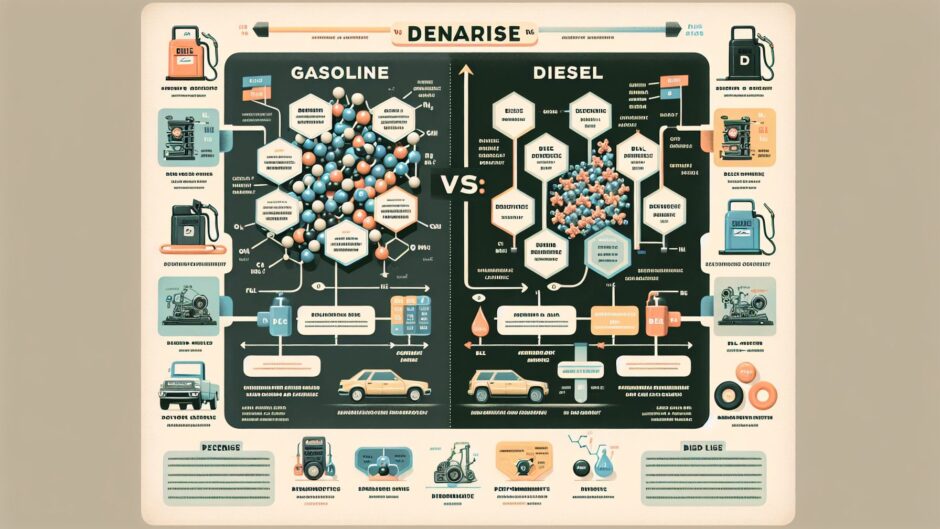
As a professional in the automotive industry, understanding the differences between gas and diesel fuel is essential to providing top-notch service to your clients. While both options are commonly used in vehicles, there are some key distinctions that can impact performance, maintenance, and ultimately, customer satisfaction. Let’s dive into the exciting world of gas and diesel fuel to see what sets them apart.
Gasoline: The Classic Choice
Gasoline has long been the fuel of choice for most consumers, thanks to its widespread availability and relatively low cost. Most passenger cars and light-duty trucks run on gasoline, making it the go-to option for daily commuters and weekend warriors alike. Gasoline engines are known for their smooth and quiet operation, as well as their quick acceleration and responsive handling.
Car reviews often highlight the benefits of gasoline engines, praising their reliability and ease of maintenance. However, some professional mechanics may find themselves performing more frequent tune-ups and oil changes on gasoline-powered vehicles compared to diesel engines. While these routine tasks may add up over time, the overall cost of gasoline fuel is typically lower than diesel, making it a popular choice for budget-conscious drivers.
Diesel: A Powerful Alternative
On the other hand, diesel fuel is known for its efficiency and torque, making it the preferred option for heavy-duty trucks, commercial vehicles, and towing applications. Diesel engines are renowned for their durability and longevity, with many drivers racking up hundreds of thousands of miles on their diesel-powered vehicles without major issues. Automotive repair experts often praise diesel engines for their robust construction and ability to handle heavy loads with ease.
Car reviews often highlight the impressive towing capacity and fuel efficiency of diesel trucks, making them a top choice for those who require maximum performance and reliability. While diesel fuel may be more expensive than gasoline, the higher energy content of diesel means that drivers can often achieve better mileage, potentially offsetting the cost difference over time.
The Verdict: Choosing the Right Fuel for Your Clients
When it comes to selecting the best fuel for your clients, it’s essential to consider their specific needs and preferences. Gasoline may be the most common choice for everyday drivers, offering a balance of performance, affordability, and ease of maintenance. On the other hand, diesel fuel is ideal for those who prioritize towing power, fuel efficiency, and long-term durability.
Whether you’re performing routine maintenance, diagnosing engine issues, or recommending fuel options to your clients, having a solid understanding of the differences between gas and diesel fuel can set you apart as a knowledgeable and trusted professional. By staying up-to-date on the latest car reviews, automotive trends, and repair techniques, you can deliver top-quality service that keeps your clients coming back for more.
In conclusion, the choice between gas and diesel fuel ultimately comes down to the specific needs and preferences of your clients. As a seasoned professional in the automotive industry, it’s up to you to provide expert guidance and recommendations that help your clients make the best decision for their vehicles. With your expertise and dedication to excellence, you can ensure that every client drives away satisfied and confident in their choice of fuel.