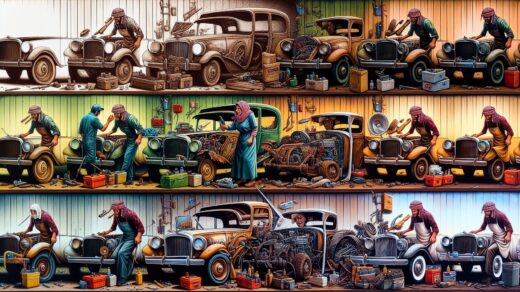
Gone are the days where the depths of car mechanisms were thought to be exclusively a man’s domain. More and more, women are assuming leadership roles on the frontline of car clubs and racing and tuning events. They are diving into the intricate world of classic cars and empowering themselves with knowledge about how these beautiful machines work. Determined and unafraid, let’s unravel one fundamental aspect of all car engines: engine combustion.
What is Engine Combustion and Why Should You Care?
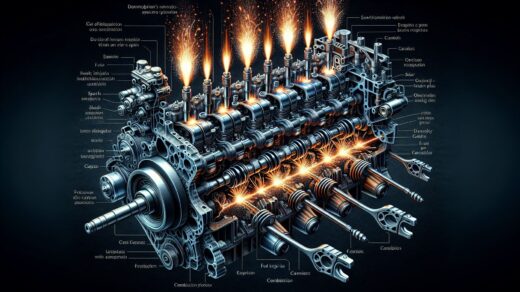
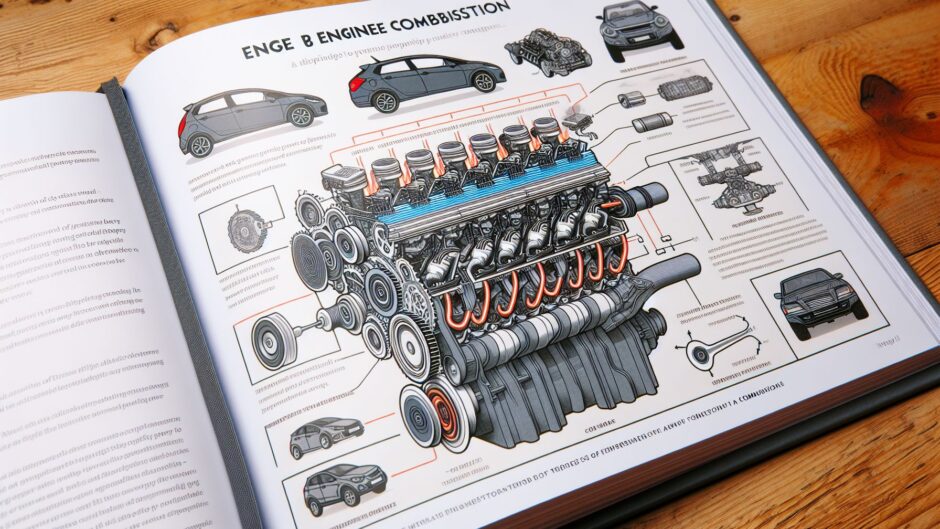
Simply put, engine combustion or internal combustion, is the process where fuel and air mix inside an engine to create a small explosion that powers the car. This is the heart of any vehicle, and knowing how it works not only enriches your understanding but can also help you troubleshoot potential problems and even enhance your ride, leading to a better, smoother driving experience.
The Magic Happens in Four Strokes
Whether your fascination lies with classic cars that have an aura of timeless elegance or you are more intrigued by modern-age beasts, the essence of their engine operation remains the same: the four-stroke combustion cycle. This process, involving intake, compression, combustion, and exhaust strokes, is what keeps your beloved machine gracefully moving down the road.
Intake Stroke: The Inception of Power
During the intake stroke, the intake valve opens, allowing a mixture of fuel and air into the cylinder as the piston moves downward. This is akin to taking a deep breath, preparing the engine for the vital work that lies ahead.
Compression Stroke: Compact and Ready
Next comes the compression stroke, where the piston moves back upwards with both valves closed, compressing the fuel-air mixture. Smaller and denser, this pressurized concoction is now primed for ignition. This is the quiet before the storm, the stored energy before the action.
Combustion Stroke: The Explosion of Energy
As the piston reaches the top of its journey, the spark plug ignites the compressed mixture. This explosion forces the piston downwards, turning the engine’s crankshaft, which eventually turns the wheels of your car. This is the moment where raw power is born and harnessed.
Exhaust Stroke: Letting Go of Residues
Finally comes the exhaust stroke. The piston rises again, the exhaust valve opens up, and the burnt gases that were the result of the explosion are expelled. This is the engine catching its breath and preparing for the next cycle.
Tuning: Fine-tuning Performance
For the adventurous souls who are passionate about getting the most out of their rides, tuning offers a promising horizon. Tuning, in a nutshell, is the process of modifying various parts of the car, including the engine combustion process, to make it more powerful, efficient, or responsive. It’s about making your car not just a vehicle, but an extension of yourself.
Conclusion
Understanding engine combustion is empowering. It brings you a step closer to mastering your vehicle and boosts your confidence, whether you’re cruising down a highway, showcasing a classic car in a car club event, or tuning your ride. Remember, a good driver is not defined by whether they are a man or a woman, but rather by their knowledge, respect for their vehicle, and their skill on the road. By wrapping your head around the mechanics of engine combustion, you’re not just leveling the playing field; you might be setting the bar for others to follow.