If the purr of a classic engine ignites your soul, applauds your passion, and sways your car lover’s heart, then you’ve landed on the right blog post! We are about to embark on a gratifying journey, as we delve into the art of restoring classic cars, an endeavor that will take you back in time while tempting your modernistic expressive style.
Finding Your Vintage Treasure
Step one for your classic car restoration is to put on your Indiana Jones hat and go hunting for your vintage treasure. Whether that be a 1963 Corvette Stingray or a prestigious 1959 Cadillac Eldorado, remember, every classic car holds a tale waiting to be unearthed. Check out online car reviews, attend car shows, cruise local garages or ask fellow car enthusiasts to assist in finding your dream ride.
Unveiling the Value
Before you start, taking time to research and inspect your chosen classic is critical as it can save you from potential pit-holes. Have a mechanic inspect the car for rust, structural weakness, and potential mechanical pitfalls. With some classics, finding spare parts can be a daunting task, so check periodically the availability and prices for parts of your chosen car.
Roll Up those Sleeves
At this point, you are ready to clear out your garage and prepare yourself to put in some serious hours and get your hands dirty. A detailed plan will be your roadmap here. This should include listing the necessary tasks in order, clearly identifying which tasks you can do and which you’ll need a professional’s help. And, above all, setting a realistic timeline and budget.
Let’s Start from the Inside Out
Car restoration is not about slapping on new paint; it’s about reviving every inch of the classic back to its former glory. To create a truly vintage look and feel, start by restoring the engine, internal mechanical parts, and the metal body before treating the car to a glossy new paint job. You will need some specific tools for this phase, like a good set of screwdrivers, wrenches, a reliable pressure washer, and a jack and stands.
The Heartbeat of the Classic: The Engine
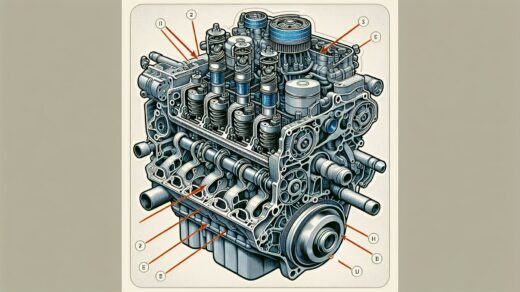
The most gratifying part of the classic car restoration journey is hearing your classic car’s engine roar back to life. The engine is the heartbeat of your classic, so it’s important to give it the attention it deserves. You might need to rebuild or replace the engine, or a good tune-up might bring it back to life. Regardless, a professional mechanic should do this task unless you are one. Read engine rebuild or replacement car reviews before deciding on anything.
Dressing up the Classic
The last phase is to take care of the exterior and detailing, which require a fair amount of skill and patience. Evaluate the condition of the seats, dashboard, upholstery, mats, lights, and instruments like the speedometer and fuel gauge. Seek professional assistance if handling fragile parts feel intimidating.
Drive with Pride
All that’s left is to hit the road and let everyone admire the fruit of your labor. Remember, these classics are not meant for long road trips or high-speed cruising anymore but short, sweet rides that let you bask in the glory of the past.
Conclusion
So, fellow car enthusiasts, get ready to embark on a journey that you’ll always cherish. Restoring a classic car is like walking down memory lane, not just in terms of the car, but the devoted hours spent and memories created in that garage. It requires patience, research, investment, and heart. But, oh boy, the satisfaction of driving your classic car after all the blood, sweat, and grease, is a feeling that’s truly invincible!