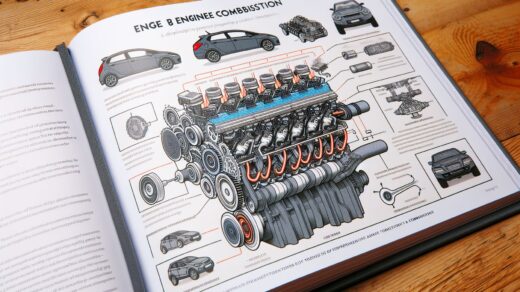
Have you ever wondered how the simple turn of a key can bring your car to life? The answer lies in the intricate world of automotive ignitions. This crucial component is what sets the entire engine system in motion, making it possible for you to hit the open road and feel the exhilaration of driving. Let’s delve into the fascinating science behind how automotive ignitions work.
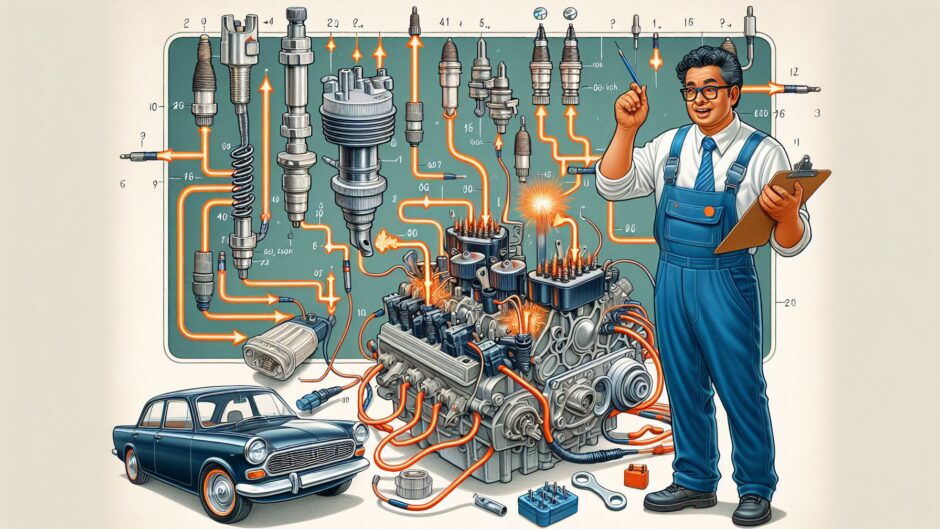
At the heart of every ignition system is the ignition coil. This coil is responsible for generating the high voltage needed to create a spark that ignites the air and fuel mixture in the engine cylinders. When you turn the key in the ignition switch, a signal is sent to the ignition coil to begin the process of creating this spark. The coil builds up energy from the car’s battery and then releases it in a sudden burst, creating a spark that travels through the spark plug wire to the spark plug.
The spark plug plays a crucial role in the ignition process by igniting the air and fuel mixture in the engine cylinder. As the spark travels from the coil to the spark plug, it creates a small but powerful electric current that jumps across the spark plug’s electrodes. This current then ignites the air and fuel mixture, causing a controlled explosion that propels the piston down and sets the engine in motion.
But the ignition system doesn’t stop there. The timing of the spark is also crucial for the engine to run smoothly and efficiently. This timing is controlled by the ignition timing system, which ensures that the spark plug fires at the precise moment when the air and fuel mixture is at its most combustible. By carefully timing the ignition process, the engine can run at optimal performance and fuel efficiency.
In modern cars, the ignition system is often controlled by a computerized engine management system. This system uses sensors to monitor various engine parameters and adjust the ignition timing accordingly. By constantly fine-tuning the ignition process, the engine management system can optimize performance, reduce emissions, and improve fuel efficiency.
In addition to the ignition coil, spark plugs, and engine management system, there are other components in the ignition system that play important roles. The distributor, for example, distributes the electrical current from the ignition coil to the individual spark plugs. The ignition switch, on the other hand, is what allows you to start the engine by turning the key in the ignition.
As you can see, the automotive ignition system is a complex and vital component of your car’s engine. Without it, your car would be nothing more than a stationary hunk of metal. So the next time you turn the key in your ignition and feel the engine roar to life, take a moment to appreciate the intricate science and technology that make it all possible.
So, whether you’re driving down the highway or cruising through city streets, remember that it’s the ignition system that’s keeping your car moving forward. The next time you turn that key in the ignition, take a moment to marvel at the amazing engineering that’s happening under the hood. Drive on, and let the thrill of the open road ignite your passion for automotive mechanics.