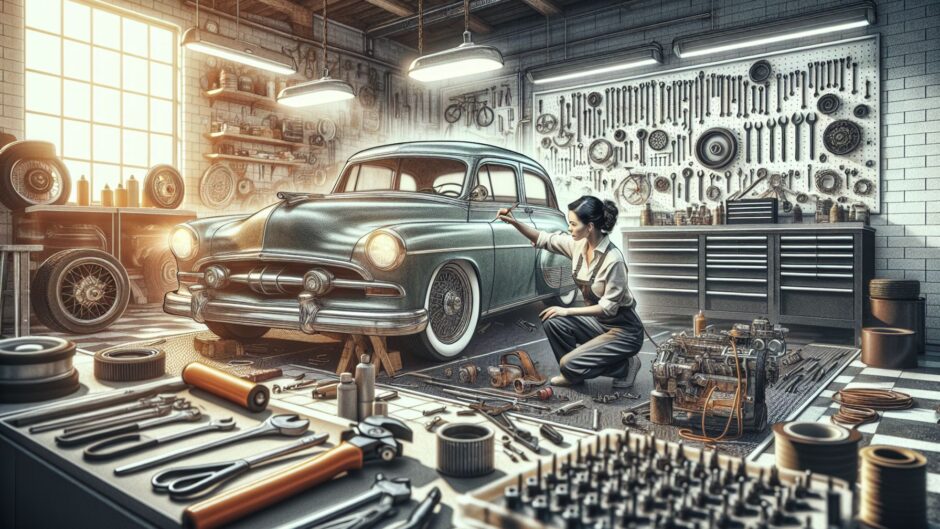
Automotive restoration is a captivating activity that unites car enthusiasts around the world. It’s the process of returning a vehicle to its original, or improved, condition by removing, repairing, and replacing parts, as well as performing a comprehensive analysis of its function and aesthetics. Moreover, automotive restoration involves elements of automotive repair and designing custom cars, making it a multi-faceted endeavor.
The Art of Automotive Restoration
When car enthusiasts talk about automotive restoration, they often describe it as an art. It demands meticulous attention to detail, vast knowledge of different vehicles and their components, and an unending passion for vehicles. But more than anything else, it requires dedication and time. Automotive restoration is not a quick process. Instead, it’s a comprehensive and lengthy procedure that puts your patience to the test.
Categorizing Automotive Restoration
Automotive restoration exists in four main categories: driver restoration, street show restoration, show car restoration, and concourse restoration – each differing in intensity, cost, and time commitment.
1) Driver Restoration:
Driver restoration, the least intensive category, involves basic repairs that make the car functional and aesthetically pleasing.
2) Street Show Restoration:
A level up is the street show restoration. Here, the vehicle is restored beyond its original functionality, with added comfort and aesthetic features, transforming it into a showpiece suitable for car shows.
3) Show Car Restoration:
Show car restoration takes it a step further, returning the car to brand new condition as if it just rolled off the assembly line.
4) Concourse Restoration:
Lastly, concourse restoration involves restoring the car to its exact original state, using period-specific parts, materials, and techniques. This is the most time-consuming and expensive category of automotive restoration.
Regardless of the category, each project incorporates aspects of automotive repair and custom car design, adding to a restorer’s skills and knowledge.
The Process of Automotive Restoration
The roadmap for an automotive restoration process varies according to the state of the vehicle and the restorer’s goal. However, a typical process will involve a handful of key stages:
-
Dismantlement: The first stage of any automotive restoration project is to dismantle the vehicle and catalogue every part.
-
Inspection and Assessment: A rigorous examination of every part takes place in this stage, assessing their condition, and deciding whether to replace or repair each piece.
-
Repair and Replace: Here is where elements of automotive repair come into play. Keeping the vehicle’s character and period authenticity in mind, professionals will make necessary repairs or replacements.
-
Reassembly and Testing: After careful restoration, each part is reinstalled. The car then goes through a series of tests to assure functionality.
-
Finishing Touches: Now, the focus shifts to the aesthetics. Restorers will often give the vehicle a new paint job, polish the bodywork, and refurbish the interior.
The Rewards of Automotive Restoration
The joy of driving a car that you’ve dedicated time, money, and effort into restoring is unparalleled. It not only offers a journey back in time but also is a testament to your knowledge, skills, and passion. Beyond personal satisfaction, restored cars are often valuable commodities, with some classic models fetching huge sums at auctions and private sales.
In conclusion, automotive restoration is much more than meandering in the garage. It is a blend of technical expertise, historical research, deep passion, and commitment that brings an old, neglected vehicle back to life or sometimes, makes it even better than its original state. It’s a captivating world, where the journey matters just as much as the destination. All aboard for the ride?