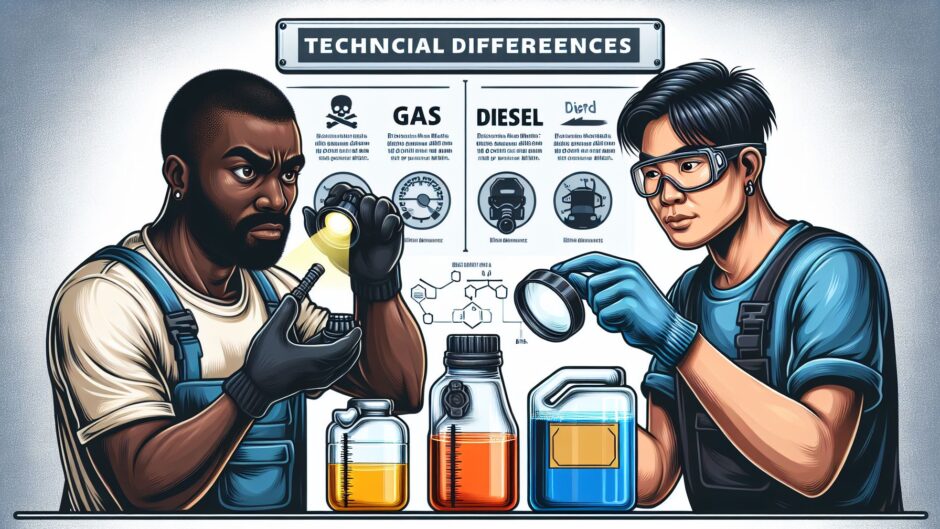
Hello to our auto club members, collectors, and every car enthusiast visiting us today! Have you ever found yourself in a dilemma, not knowing how to explain the fundamental difference between your gas-driven ride and your buddy’s diesel truck? Well, today’s your lucky day for an enlightening tour at the heart of the automotive world – fuel types. Wonder no more, as we dive deep into the world of diesel and gas!
Gasoline: A Brief Overview
Dubbed as ‘gas’ for short in the U.S., gasoline took the lead as the preferred choice of fuel for motorists during the early 20th century. Derived from crude oil, gasoline is a lightweight, volatile liquid with an intricate blend of hydrocarbons. Its primary advantage lies in its propensity to ignite easily and quickly. Once triggered by your car’s spark plug, it combusts to produce the power that carves your journey on the road.
Another edge for gasoline is it operates at lower engine compression. Hence, less internal engine stress subsequently translates to a quieter, smoother ride. Yet, it’s worth noting the bigger picture; gas engines boast higher RPM, stimulating a sportier, high-speed performance for your weekend joyrides with your auto club buddies.
However, on the flip side, gas engines fall short in fuel efficiency. They burn more fuel and emit substantial amounts of carbon dioxide, making it less eco-friendly.
Diesel: The Heart of the Heavyweights
Transforming from its modest beginnings in the 1890s, diesel has skirted its way as the lifeline of the heavy-duty automotive industry, thanks to its high-energy density and superior fuel efficiency.
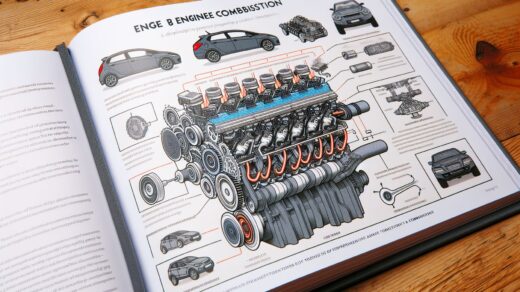
Contrary to gas, diesel fuel comes with a higher energy content and burns in a different way. In a diesel engine, the fuel mixes with high-compressed, hot air that ignites it—a process lauded as compression ignition. This efficiency in ignition paves the way for better fuel economy—the cars consuming less fuel per mile driven.
Diesel engines possess another notable advantage—torque. Imagine hauling a colossal camper or towing a heavy trailer; it demands a substantial amount of pulling power. It is an arena where diesel engines excel, making them an optimal choice for trucks and commercial vehicles.
But, diesel is not without its flaws. The richer energy content magnifies the NOx and particulate emissions, prompting a pressing concern for air pollution. Modern diesel engines have mitigated these effects with advanced technology, yet it increases the upfront cost for diesel vehicle owners.
In Conclusion: A Matter of Preference
In our lively discussions at classic car meet-ups, in auto club forums, or in quiet corners at collector’s exhibitions, the gas vs. diesel debate continues to stir up contrasting opinions. Gasoline and diesel, despite their shared lineage from crude oil, present their unique advantages and shortcomings.
If performance and speed steer your choice, gas would be your go-to fuel. Conversely, if fuel economy, power, and longevity top your list, diesel fits the bill. However, you must also consider emissions and environmental impacts as well as the initial vehicle cost.
Hopefully, you now hold the reins to better understand and explain the difference between gas and diesel engines. There’s something alluring about the intricate details and mechanics of the vehicles we love, and part of that is knowing what happens under the hood. So keep testing, learning, and sharing, dear auto club members and collectors!
Have a question or an experience you’d like to share? Send them over. We love to hear the personal experiences and expert insights from our fellow automotive enthusiasts! Until then, happy driving!