Have you ever wondered what goes on underneath the hood of your car when you press the ignition button? It’s like a well-orchestrated symphony of fuel, air, and ignition working together seamlessly to power your vehicle’s engine. In this article, we’ll delve into the fascinating world of engine combustion and unravel the mysteries of how it all comes together to make your car run smoothly.
At the heart of every combustion engine lies a process called combustion, where a mixture of fuel and air is ignited to produce the energy needed to power your car. This process may seem simple on the surface, but it’s actually a complex dance of precision timing and controlled explosions that enable your car to move effortlessly down the road.
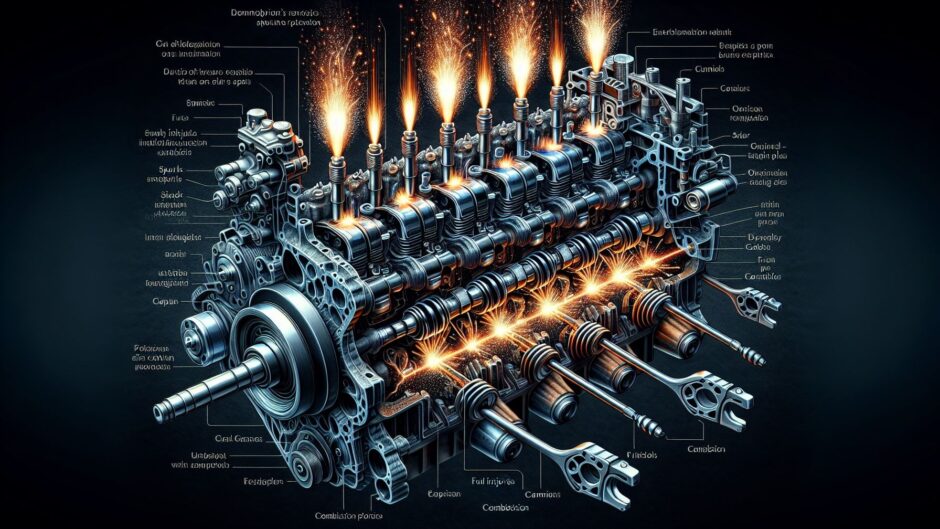
Imagine a custom-built sports car revving up its engine, ready to unleash its full potential on the open road. As the driver presses the gas pedal, fuel is injected into the combustion chamber along with a precise amount of air. This mixture is then compressed by the piston, creating a highly volatile environment that is just waiting to explode.
When the spark plug ignites the fuel-air mixture at the perfect moment, a controlled explosion occurs, pushing the piston down and driving the crankshaft, which ultimately propels the car forward. This chain reaction of explosions happens hundreds of times per minute, powering your car and giving it the acceleration it needs to tackle any road ahead.
Just like how a finely-tuned engine can make a car run like a dream, the process of engine combustion relies on precision timing and careful calibration to ensure that everything runs smoothly. Any misstep in this process can lead to inefficiencies, decreased performance, or even engine damage.
In the world of car reviews, experts often praise vehicles with advanced engine technology that maximizes fuel efficiency and power output. Cars with direct injection systems, turbochargers, and variable valve timing mechanisms are lauded for their ability to optimize the combustion process and deliver superior performance on the road.
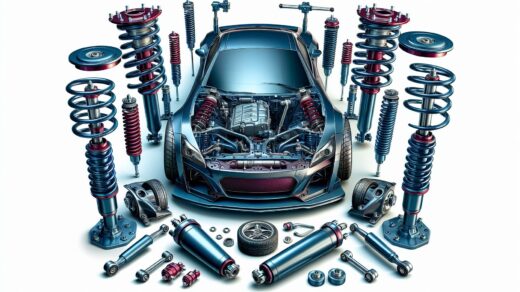
Custom cars, with their modified engines and aftermarket components, take the concept of engine combustion to a whole new level. Enthusiasts and gearheads alike tinker with their engines to fine-tune every aspect of the combustion process, from air intake to exhaust flow, in search of that perfect balance of power and efficiency.
As we marvel at the incredible feats of engineering that power our cars, it’s important to remember that engine combustion is not just about raw power and speed, but also about efficiency and sustainability. Modern engines are designed to meet stringent emissions standards while still delivering the performance that drivers crave.
In conclusion, engine combustion is a fascinating process that powers our cars and fuels our passion for the open road. From the rhythmic explosions within the combustion chamber to the seamless integration of fuel, air, and ignition, every aspect of this process is finely tuned to deliver the driving experience we all know and love. So the next time you hear the roar of an engine revving up, take a moment to appreciate the intricate dance of combustion happening underneath the hood.